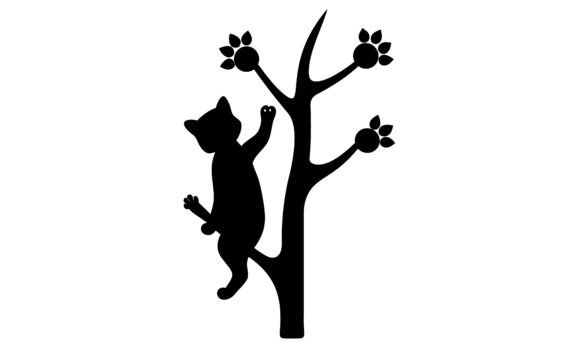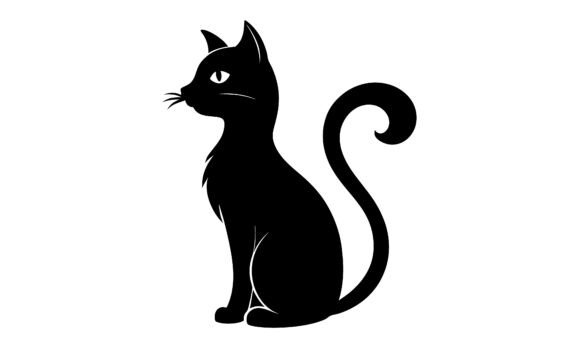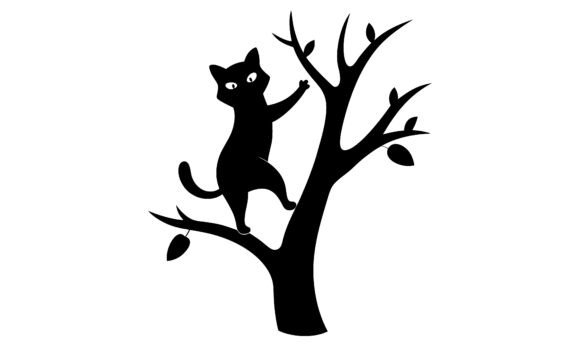
Black Cat Climbing Tree Silhouette
I have spent years reviewing digital assets for my own embroidery business, and I know that the difference between a cute image and a professional finished product often comes down to how well a design translates from screen to fabric. When I first laid eyes on Black Cat Climbing Tree Silhouette, I didn't just see a graphic; I saw a potential bestseller for a boutique shop or a cherished personalized gift. It is a Crafts category item that falls squarely into the Graphics type, but its true value lies in its application within a real-world embroidery project.
The first impression of this design is one of playful mystery. The silhouette format is bold and graphic, stripping away unnecessary details to focus on the essential character of a cat scaling a tree. This minimalist approach is exactly what makes it so versatile for a machine embroidery design. Unlike intricate realistic portraits that can get lost in stitch density, this clean outline promises high clarity even on smaller surfaces. It creates a mood that is slightly whimsical yet grounded, perfect for modern home decor or streetwear.
Real-World Application: From File to Finished Product
Let me walk you through a scenario I frequently encounter when evaluating new embroidery files. Imagine you are an Etsy seller preparing inventory for the upcoming holiday season. You need a unique item that appeals to cat lovers but doesn't require hours of stitching time per unit. You decide to use Black Cat Climbing Tree Silhouette for a custom embroidered tote bag design.
In this context, the design shines. The vertical orientation of the climbing cat fits naturally on the side panel of a canvas tote or centered on a denim sweatshirt. Because it is a silhouette, it relies heavily on thread color contrast rather than complex shading. If you pair black thread with a navy blue background, or white thread on a charcoal gray fabric, the result is striking. The visual appeal is immediate, and customers scrolling through your shop will recognize the shape instantly. This kind of strong recognition is vital for brand consistency and buyer engagement.
I also envision this design on baby items. A small version of the climbing cat on a onesie or a nursery pillow cover adds a touch of personality without being overwhelming. The curves of the cat's body flow well with the soft fabrics typically used for baby embroidery. However, before committing to a full production run, I always advise testing the stitch density. Since this is a silhouette, if the fill stitches are too dense, the fabric might pucker, especially on thin materials like cotton muslin. Conversely, if the satin stitches outlining the shape are too wide, they might lose definition on a tiny lettering or small patch size.
Where to Use (and Where to Pause)
While Black Cat Climbing Tree Silhouette is adaptable, it is not a universal fit for every surface. As an experienced designer, I need to point out where caution is required. For instance, using this design on a curved surface like a baseball cap can be tricky. The silhouette has distinct points and angles; if the curvature of the hat distorts the lines, the cat might look like it is slipping off the branch. In these cases, a smaller hoop size with careful digitizing adjustments is necessary to maintain the integrity of the image.
Similarly, textured fabrics present a challenge. If you plan to embroider this onto a heavy boucle wool or a nubby linen, the fine details of the claws or the tip of the tail might disappear into the weave. For commercial embroidery projects involving such materials, a simpler design or a larger scale might yield better results. Thin or stretchy fabrics also demand attention. Without proper stabilizer support, the tension required to create crisp satin stitches could cause the fabric to gather, ruining the clean lines of the silhouette.
Another consideration is the finish. If you are creating an embroidered patch, the edges need to be clean. A silhouette works beautifully here because there are no internal holes that require extensive jump stitches, which can sometimes weaken the structure of a patch. However, if you intend to use this as an applique design, the cut file provided in SVG and EPS formats becomes crucial. You would want to ensure the vector paths are closed and ready for cutting before transferring the shape to the fabric.
Practical Designer Notes for Success
If you are planning to use this asset for a handmade product or a small shop product, there are specific steps you must take to ensure professionalism. First and foremost, always test the design on scrap fabric that matches your final material. This simple step reveals issues with thread breakage, puckering, or color mismatch that you cannot see on a computer screen.
Review the stitch density carefully. A silhouette often uses fill stitches to create the solid shape. If the density is too high, the fabric will become stiff and uncomfortable, particularly on apparel like t-shirts or aprons. Check whether the design works for both personal and commercial projects by reviewing the license terms associated with the digital embroidery file. Many designers sell this type of asset for personal use only, while others allow for unlimited commercial sales. Confirming this before you start producing custom apparel protects your business from legal trouble.
When selecting thread colors, consider the lighting conditions of your display. A black cat on a black background is invisible unless the thread has a slight sheen or texture. On dark fabrics, a metallic or neon thread can make the silhouette pop, adding value to the finished product. On light fabrics, traditional black or dark grey threads provide a classic, timeless look that fits almost any aesthetic, from rustic kitchen towels to modern holiday gifts.
For those selling online, creating a printable mockup is essential. Place the Black Cat Climbing Tree Silhouette on various backgrounds—white, beige, navy, and forest green—to see how it performs in different contexts. This helps you market the design effectively to your audience. Whether you are listing it on Etsy, a craft fair booth, or your own website, clear visuals drive sales. The design's simplicity allows it to blend seamlessly into a collection while still standing out as a focal point.
Finally, remember that the quality of the output depends on the quality of the input. Ensure your machine is calibrated and your hoop is sized correctly. If the design includes tiny details like whiskers or individual toes, verify that they are large enough to be stitched clearly. If the original file lacks specific instructions on machine compatibility or recommended needle types, consult general guidelines for the fabric weight you are using.
In conclusion, Black Cat Climbing Tree Silhouette is a strong candidate for anyone looking to add a touch of feline charm to their portfolio. Its clean lines and engaging theme make it suitable for a wide range of applications, from kitchen towel embroidery to decorative accents on home goods. By approaching it with a critical eye regarding fabric choice, stabilizer usage, and thread selection, you can transform a simple digital graphic into a high-quality, customer-loved item. Whether you are a hobbyist maker or a serious creative entrepreneur, this design offers a reliable foundation for building your brand and expanding your product line.