Black Cat in a Plant Pot Embroidery Review
As someone who has spent years stitching, designing, and selling handmade goods, I know that the difference between a cute digital image and a high-quality finished product often comes down to one thing: how the design translates from screen to fabric. Recently, I came across the Black Cat in a Plant Pot design, which is categorized under Crafts and Graphics. Before adding this to my commercial library or using it for a client order, I put it through the same rigorous mental checklist I use for every new machine embroidery design. The result? A design with genuine charm but specific limitations that every crafter needs to understand before hitting the start button.
The First Impression: Mood and Visual Personality
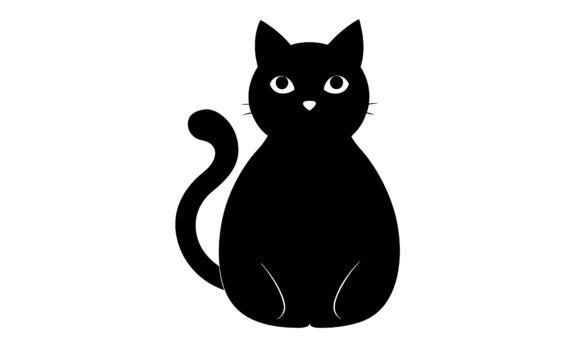
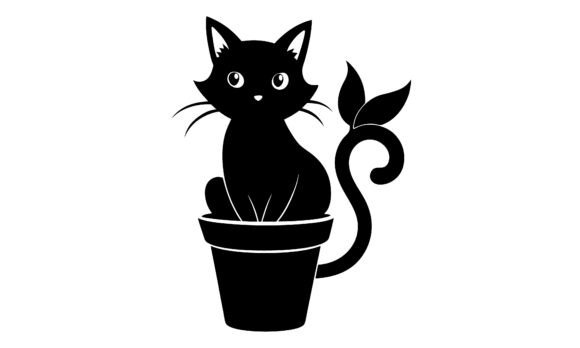
The moment you open the file, the Black Cat in a Plant Pot design immediately establishes a cozy, slightly whimsical mood. It isn't just a silhouette; it feels like a snapshot of a quiet afternoon in a home studio. For an embroidery designer, the first question is always about visual weight. Does the cat's form have enough substance to hold up against the texture of the thread? Does the plant pot provide a stable base, or does it look top-heavy?
In terms of layout, the composition is balanced. The curves of the cat's back contrast nicely with the straight lines of the pot, creating a dynamic shape that works well on various surfaces. This is not a generic clip art; it has a distinct personality. When I imagine this stitched onto a garment, it suggests a brand that values warmth, creativity, and a touch of gothic cuteness. It fits perfectly into the niche of modern cottagecore aesthetics or for sellers targeting cat lovers who appreciate subtle humor.
Real-World Application: From Screen to Stitch
To truly evaluate this embroidery file, I had to simulate a real-life scenario. Let's say I am preparing a custom embroidered tote bag for a local boutique client. The goal is to create a unique piece that stands out on a shelf next to mass-produced items. I placed the Black Cat in a Plant Pot design on the front center of a heavy-duty canvas tote.
The result was promising. The solid fill areas of the black cat translated beautifully, offering a sleek, professional finish that contrasts sharply with the natural canvas. However, the success of this handmade product relied heavily on the thread choice. If I used a matte polyester thread, the design would feel grounded and artisanal. If I used a shiny rayon, it might feel a bit too glossy for the rustic vibe of the plant theme. In this context, the design elevates the perceived value of the item, making it look like a thoughtful personalized gift rather than a cheap novelty.
I also considered its potential as a sweatshirt embroidery project. Placed over the heart of a charcoal grey hoodie, the design creates a striking focal point. The dark-on-dark aesthetic is trendy right now, appealing to Etsy sellers looking for unisex apparel options. The design is versatile enough to work as a standalone graphic or paired with small text elements like "Plant Mom" or "Cat Lady," though I would advise keeping any lettering simple to avoid clutter.
Where Caution is Required
While the design is strong, it is not without its challenges. There are specific scenarios where Black Cat in a Plant Pot requires careful handling. One major consideration is the hoop size. If you attempt to stitch this on a very small hoop, such as those used for hats or baby clothes, the fine details of the leaves and the cat's whiskers might get lost in the stitching process. The density of the stitches could cause the fabric to pucker, especially if the stabilizer isn't chosen correctly.
Texture is another factor. On highly textured fabrics like bouclé or thick fleece, the definition of the design can be compromised. The threads may not lay flat, causing the edges of the cat to appear fuzzy rather than crisp. Similarly, working with thin or stretchy fabrics like jersey knit without adequate stabilization can lead to distortion. The design looks best on stable, medium-weight materials where the stitches can sit securely on the surface.
I also need to mention the issue of dark fabrics. While the black cat is designed to stand out, stitching black thread on a black background requires a specific technique, often involving a lighter topstitch thread or a specialized satin stitch to create visibility. Without this adjustment, the design might disappear entirely. For commercial embroidery projects, failing to account for these variables can lead to unhappy customers and returns.
Practical Designer Notes for Success
Before you commit to a full production run, there are several technical steps every designer should take. First, always test the design on scrap fabric that matches your final material. This allows you to see exactly how the stitch density interacts with the weave of the cloth. You want to ensure that the fill stitch areas are dense enough to cover the fabric but not so dense that they become stiff and uncomfortable.
Check your thread colors carefully. While the design is provided in vector formats like SVG and EPS, the colorway is up to you. Experiment with different shades of green for the plant and varying tones of black or grey for the cat to see what offers the best contrast. Also, review the running stitch details if the design includes outlines; ensure they aren't too thin to be picked up by your machine needle.
Another critical step is inspecting small details. Zoom in on the digital file to check for any gaps or overly tight corners that might cause thread breaks during stitching. If the design includes tiny lettering or intricate leaf veins, consider simplifying them if you plan to use a smaller hoop. Finally, confirm whether the licensing terms allow for commercial embroidery projects. Many designers sell their work for personal use only, and selling finished items like embroidered patches or tote bag designs without the proper rights can lead to legal issues.
Impact on Brand and Customer Trust
The quality of your embroidery directly influences customer trust. A well-executed Black Cat in a Plant Pot design signals professionalism. It tells the buyer that you care about the details, from the alignment of the stitches to the choice of fabric. In the world of craft business, presentation is everything. A clean, crisp embroidery job on a kitchen towel or a pillow cover can justify a higher price point and encourage repeat purchases.
Furthermore, the design has strong giftability. The combination of a beloved pet and a houseplant is a universal theme that resonates with a wide audience. Whether it is a holiday gift or a wedding present, the design feels personal and thoughtful. For digital product sellers creating printable mockups, this design offers excellent versatility, allowing you to showcase the product in various settings, from a nursery wall to a coffee shop counter.
Ultimately, the Black Cat in a Plant Pot is a solid addition to any designer's toolkit, provided you respect its technical requirements. It is not a magic bullet that will fix poor setup, but when used with the right preparation, it becomes a standout asset for your finished product line. By testing thoroughly and choosing the right materials, you can turn this digital graphic into a tangible piece of art that delights your customers and strengthens your brand identity.