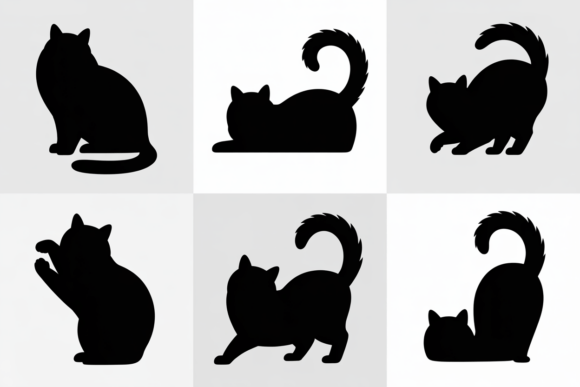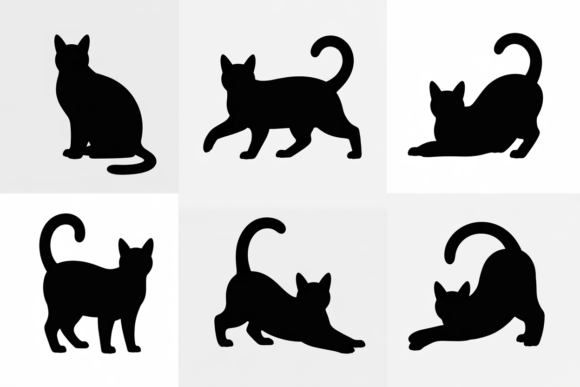
Black Cat Silhouettes Design Review
As someone who has spent years turning digital files into tangible, stitched treasures for clients and craft fairs, I approach every new embroidery file with a mix of excitement and skepticism. There is nothing worse than loading a design onto the machine only to find it looks muddy on fabric or falls apart after one wash. Today, I am putting the Black Cat Silhouettes Design through its paces to see if it holds up in a real-world embroidery project. This isn't just about how it looks on a screen; it is about how it translates from a vector shape into a finished product that customers will love.
The First Impression: Mood and Visual Personality
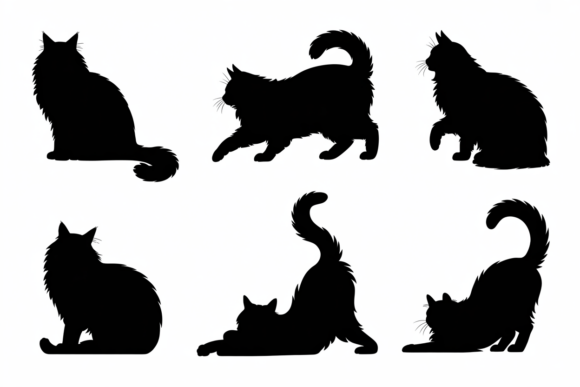
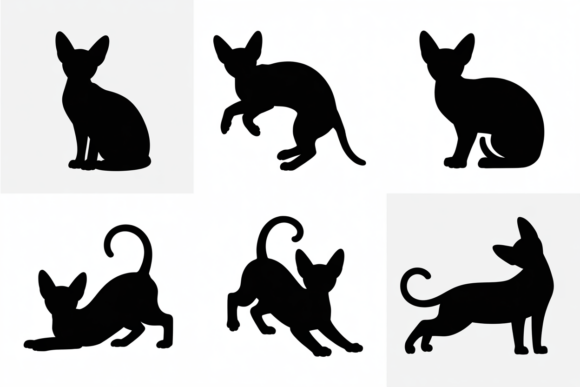
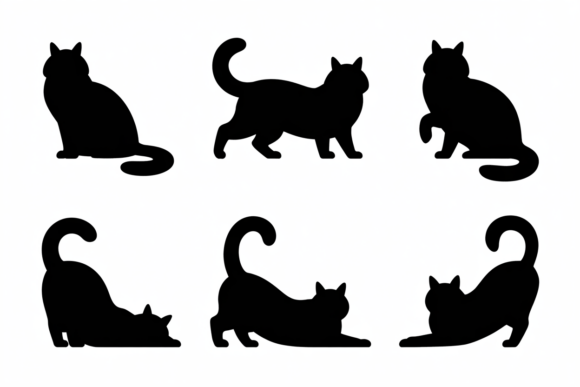
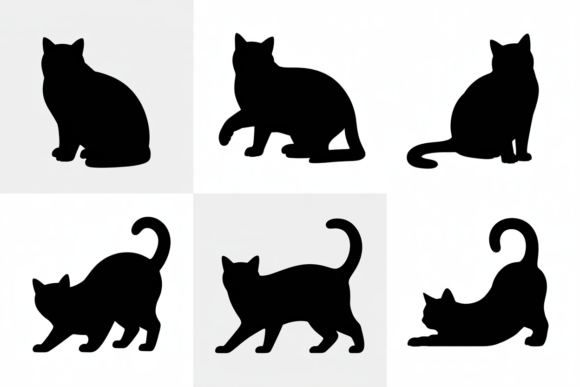
When you first open the Black Cat Silhouettes Design, the immediate feeling is one of sleek simplicity. In the world of machine embroidery design, complexity often leads to confusion, but this silhouette cuts straight to the point. The shape captures the iconic arch of a cat's back and ears without unnecessary detail. It feels mysterious yet playful, making it an excellent candidate for a variety of themes ranging from Halloween decor to everyday chic accessories.
The visual personality here is bold. Because it relies on a solid outline rather than intricate internal stitching, it promises high contrast and clarity. For a designer looking to create a custom apparel piece or a boutique brand logo, this design offers a clean canvas. It suggests a modern aesthetic that fits perfectly with current trends in handmade product lines. It does not scream for attention with frills; instead, it commands respect through its confident form.
Real-World Application: From Screen to Stitch
I recently tested this design concept by planning a custom embroidered tote bag for a local coffee shop client who wanted a subtle nod to their "cat lover" community. The goal was to avoid the overly busy look common in cheap mass-produced bags. Using the Black Cat Silhouettes Design, we aimed for a sophisticated, single-color look that would stand out against a dark canvas background.
In this scenario, the design performed admirably. The silhouette translated well into a large satin stitch border, creating a sharp, defined edge that looked professional immediately. However, the success of the final piece depended heavily on the choice of thread colors and the fabric texture. On a smooth cotton canvas, the black thread merged seamlessly, while on a textured burlap, the definition softened slightly but retained its charm. This versatility makes it a strong asset for Etsy sellers and small business owners who need reliable assets for various materials.
Beyond tote bags, I can easily envision this design shining on other items. Imagine a sweatshirt embroidery placement on the chest of a cozy hoodie, where the simple shape adds character without weighing down the garment. It also works beautifully as a baby embroidery accent on a onesie or a nursery wall hanging. The lack of tiny, delicate details means it is less prone to getting lost in the weave of thick fabrics like fleece or denim, which is a common pain point for many embroidery projects.
Where to Use (and Where to Think Twice)
While the Black Cat Silhouettes Design is versatile, no single design is perfect for every surface. As an experienced reviewer, I must highlight specific areas where caution is required. If you are working with very small hoop sizes, the silhouette might lose some of its intended grace. A tiny cap brim or a small pocket on a child's shirt requires a design that can shrink without losing its identity. While the silhouette is simple, it still needs enough space to breathe.
Textured and stretchy fabrics present another challenge. When stitching onto a highly textured knit or a thin, stretchy jersey, the tension of the fill stitch can distort the fabric, causing the cat shape to ripple. In these cases, using a proper stabilizer is non-negotiable. Furthermore, if you are aiming for a multi-colored design, be mindful of the density. If you attempt to add too much detail inside the silhouette without adjusting the stitch count, you risk creating a stiff, cardboard-like feel that customers will notice immediately.
Curved surfaces, such as baseball caps, require careful digitizing adjustments. A flat silhouette designed for a tote bag might not lay correctly on the curve of a hat without significant re-digitizing. Additionally, for products that undergo frequent washing, like kitchen towels or aprons, ensure the stitch density is balanced. Too dense, and the fabric puckers; too loose, and the design may fray over time.
Impact on Brand Value and Customer Trust
For craft business owners and commercial embroidery professionals, the quality of your design directly impacts customer trust. A sloppy stitch job or a design that looks blurry on fabric can damage a brand's reputation instantly. The Black Cat Silhouettes Design, when executed correctly, elevates the perceived value of the item. It signals that the maker cares about precision and aesthetics.
This design supports a cohesive brand identity. Whether you are selling holiday gifts during October or year-round home decor, the consistent use of this silhouette creates a recognizable visual language. Customers appreciate designs that are clear and intentional. When a buyer sees a crisp, well-stitched cat on a pillow cover, they are more likely to perceive the item as a premium personalized gift rather than a generic knock-off. This distinction is crucial for Etsy listings where competition is fierce.
Practical Designer Notes for Success
Before you commit this design to a production run, there are several technical steps you must take. First and foremost, always test the design on scrap fabric that matches your final material. This allows you to check thread color contrast and see how the stitches behave under tension. If you plan to use this for applique design techniques, verify that the cut file dimensions align perfectly with your stabilizer layers.
Review the stitch density carefully. If the file is provided in formats like SVG or EPS, you may need to adjust the settings in your embroidery software to ensure the running stitch or satin stitch settings match your machine's capabilities. Check whether the design includes any lettering; if so, inspect those small details closely, as they are often the first to fail in low-resolution applications. Comparing light and dark fabric backgrounds in a mockup is also essential to ensure the black silhouette maintains its presence without disappearing into the fabric.
Finally, confirm your licensing terms before selling finished items or offering the design as a digital product. Understanding the rights associated with the graphics ensures you stay compliant and protect your small shop product line. By taking these precautions, you transform a simple digital file into a reliable revenue stream.
The Black Cat Silhouettes Design proves that sometimes the most effective tools are the simplest ones. With the right preparation and execution, it serves as a powerful element in your creative arsenal, bridging the gap between digital artistry and tactile craftsmanship.