Black Cat Stretching Silhouette on White Review
As a designer who has spent years testing digital assets for real-world embroidery projects, I approach every new file with a mix of excitement and skepticism. You do not want to waste hours setting up a complex digitization only to find the design fails when it hits the fabric. Recently, I evaluated the Black Cat Stretching Silhouette on White to see if it holds up under the pressure of actual production. This review is based on how this specific silhouette performs when stitched into custom apparel, boutique merchandise, and personalized gifts.
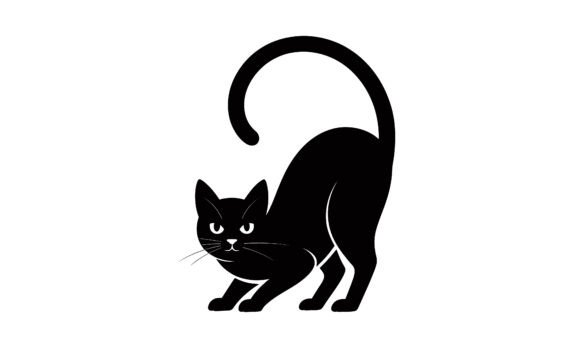
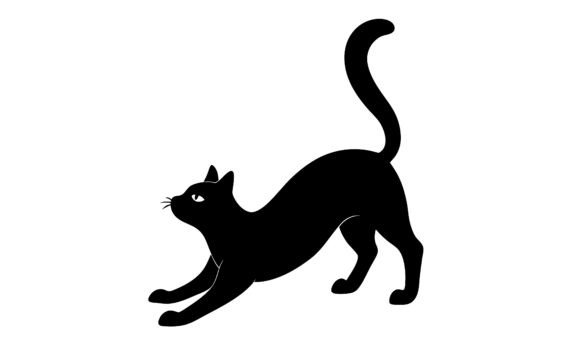
The first impression of the Black Cat Stretching Silhouette on White is one of playful minimalism. It captures that specific feline mood where a cat is mid-stretch, legs extended, embodying a sense of relaxation and mischief. Visually, the silhouette is clean, which is exactly what you need for high-contrast embroidery. The shape relies on form rather than intricate detail, making it an excellent candidate for machine embroidery designs that prioritize bold lines over fine textures. It feels like a natural fit for a tote bag design or a sweatshirt embroidery project where you want the graphic to pop without overwhelming the garment.
Real-World Application: From Digital File to Finished Product
Let me walk you through a scenario where I tested this design. I was preparing a collection of handmade products for a small holiday market. My goal was to create a line of kitchen towels and apron accessories featuring cute, recognizable motifs. I selected the Black Cat Stretching Silhouette on White because its elongated shape works beautifully vertically on kitchen linens. When I ran the test stitch on a white tea towel, the contrast was immediate and striking.
The silhouette translates well into satin stitches, creating a smooth, glossy finish that mimics the sleek coat of a black cat. For a custom apparel piece, such as a baby onesie or a nursery pillow cover, this design offers a level of sophistication that simple cartoon drawings often lack. It feels more like a modern graphic asset than a childish clip art. Customers browsing an Etsy shop are drawn to items that look professionally finished, and this design delivers that polished aesthetic. It elevates the perceived value of the handmade product, suggesting that the maker put thought into their design choices.
I also considered using this for embroidered patches. The solid black fill allows the edges to be defined clearly, which is crucial for patches that will be sewn onto denim jackets or backpacks. However, the success of the final patch depends heavily on the stabilizer used. Without proper backing, the stretching motion of the cat could cause the fabric to pucker in the middle of the body, ruining the elegant line of the spine. This is why checking your stitch density and hoop size before committing to a full run is non-negotiable.
Navigating Technical Challenges and Fabric Choices
While the design is visually appealing, it is not without its technical constraints. A silhouette relies entirely on the outline to define the subject. If you attempt to use this on a textured fabric, such as a heavy boucle or a nubby linen, the definition of the cat's stretch might get lost in the weave. The thread may not lay flat against the texture, leading to a muddy appearance that lacks the crispness seen in the digital preview.
Dark fabrics present another significant hurdle. The product description mentions "on White," implying the base image is a white background with a black cutout. In embroidery terms, this usually means you are stitching black thread on a light fabric. If you try to apply this design to a dark shirt, you would need to add a substantial underlay or a contrasting border, which changes the visual dynamic entirely. On dark fabric, the black cat would disappear unless you stitch a thick white outline around it, which alters the original artistic intent of the graphics.
Stretchy fabrics, like jersey knits used for t-shirts, require careful handling. The elongated shape of the stretching cat creates a large area of coverage. If the fabric stretches too much during the hooping process, the dimensions of the cat can become distorted, making the legs look uneven or the back arched incorrectly. Using a tear-away or cut-away stabilizer is essential here to maintain the integrity of the embroidery project. Always test on a scrap piece of the exact same material to ensure the tension settings on your machine accommodate the stretch without causing puckering.
Where This Design Fits Best
- Holiday Gifts: The playful nature of a stretching cat makes it perfect for Christmas stockings or New Year's party favors. It adds a whimsical touch to holiday embroidery collections.
- Baby Items: Soft cotton fabrics provide a stable canvas for this design. It works wonderfully on burp cloths or baby blankets where a gentle, friendly image is desired.
- Small Shop Merchandise: For Etsy sellers or craft fair vendors, this design serves as a versatile asset. It can be easily adapted for digital embroidery files sold alongside physical goods, offering multiple revenue streams.
- Personalized Products: The simplicity of the silhouette leaves room for adding names or dates nearby without cluttering the composition, enhancing the personalized gift aspect.
Professional Notes for the Embroidery Designer
Before you rush to produce a batch of these items, there are critical steps to ensure quality control. First, always test the design on scrap fabric. This is the only way to verify how the thread colors interact with your specific material. Check the stitch density; if the fill areas are too dense, the needle might break or the fabric could distort. If they are too sparse, the underlying fabric might show through, looking unfinished.
You must also inspect the small details. While a silhouette appears simple, the curves of the tail and the arch of the back need to be smooth. Zoom in on the vector file to ensure there are no jagged edges that could translate into rough stitching lines. Compare light and dark fabric backgrounds in your mockups to confirm the contrast remains strong. If you plan to sell these items commercially, confirm the licensing terms of the design assets to avoid legal issues later.
Using the correct stabilizer is perhaps the most overlooked factor. For a design like the Black Cat Stretching Silhouette on White, a medium-weight cut-away stabilizer is often the safest bet for durability, especially for items that will undergo frequent washing, like aprons or tote bags. If you skip this step, the design may wash out or warp after just a few cycles.
Final Thoughts on Visual Appeal and Brand Consistency
In the world of craft business, consistency builds trust. A client buying a boutique product expects the final result to match the printable mockup they saw online. The Black Cat Stretching Silhouette on White offers a clean, professional look that aligns well with modern branding trends. It is not overly busy, allowing the craftsmanship of the stitching to shine. Whether you are creating a wedding gift or a mass-produced item for a small shop, this design provides a reliable foundation for your creative vision.
Ultimately, the decision to use this file comes down to understanding your equipment and materials. It is a strong choice for those who appreciate minimalist aesthetics and want to produce high-quality finished products. By taking the time to test, stabilize, and plan your color palette, you can transform this simple silhouette into a standout piece that customers will love. Just remember to respect the limitations of the fabric and the machine, and you will have a successful addition to your portfolio.