Cat Vector Silhouette 21: A Designer's Real-World Embroidery Review
When I first opened the folder for Cat Vector Silhouette 21, my immediate reaction wasn't about the file formats or the zip structure. It was about the mood. There is a specific kind of quiet confidence in a silhouette design that speaks directly to the heart of handmade crafts. This isn't a cluttered, multi-colored illustration screaming for attention; it is a clean, bold outline that promises elegance and versatility. As someone who has spent years reviewing machine embroidery design assets for both personal hobbies and commercial client work, I look for exactly this kind of simplicity that doesn't sacrifice impact.
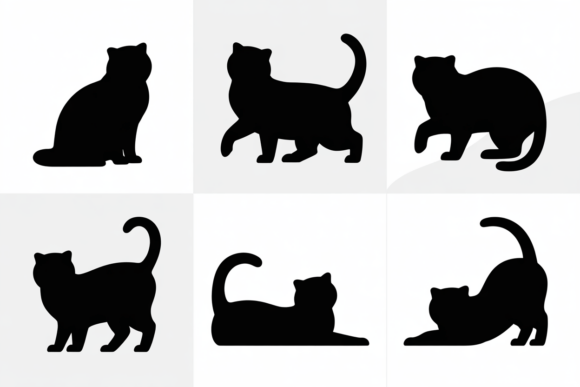
The concept behind Cat Vector Silhouette 21 is straightforward yet powerful. It captures the essence of feline grace without getting bogged down in fur texture or intricate whisker details that often fail in smaller hoop sizes. For the modern crafter, Etsy seller, or boutique owner, this design feels like a blank canvas waiting for thread color choices to define its personality. Whether you are stitching on soft cotton for a baby onesie or heavy denim for a tote bag, the shape holds its own. It creates an air of sophistication that fits perfectly into nursery decor, personalized gifts, or even high-end custom apparel.
From Digital File to Finished Product: The Real Test
I recently decided to put Cat Vector Silhouette 21 through a rigorous trial run before recommending it for any serious project. My goal was to create a custom embroidered patch for a local cat rescue fundraiser, but I also wanted to see how it would translate to a sweatshirt design for a small shop launch. The transition from a digital vector to a stitched reality is where many designs fall apart, but this one showed surprising resilience.
In the initial test on a standard cotton twill for the patch, the silhouette held up beautifully. Because the design relies on a strong outline, it works exceptionally well with a satin stitch border. This technique gives the edges a polished, raised finish that catches the light, making the cat pop against the background fabric. When I switched to a fill stitch for the interior, the density was manageable, preventing the dreaded "pillowing" effect that often ruins the crispness of a shape on textured fabrics. For a craft business, knowing that the design won't collapse under the weight of dense stitching is crucial for maintaining product value and customer trust.
However, the real challenge came when I tested it on a stretchy knit fabric intended for a baby bodysuit. Here, the rules change. While the silhouette is simple, the lack of internal detail means that any tension issues in the machine can become very visible. I found that using a cut-away stabilizer was non-negotiable here. If you are planning to use Cat Vector Silhouette 21 on delicate materials like jersey or thin knits, you must prioritize stability. The design is perfect for baby embroidery projects because of its gentle, rounded lines, but it demands respect during the hooping process. Once stabilized correctly, the finished product looked professional enough to be sold as a premium item in a boutique setting.
Navigating Fabric and Thread Choices
One of the most compelling aspects of Cat Vector Silhouette 21 is its adaptability to different thread colors. Since it is a silhouette, it thrives on contrast. I experimented with dark navy thread on a cream background and then reversed it with white thread on a black tee. Both options resulted in a striking visual appeal that felt timeless rather than trendy. This makes it an excellent choice for holiday embroidery projects where you might want to match seasonal palettes without changing the core design.
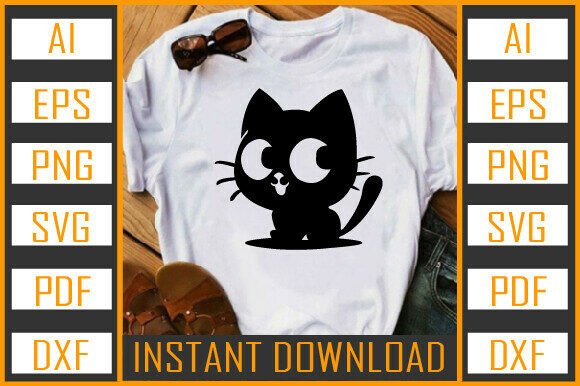
For those selling digital embroidery files or creating mockups for their shops, this design offers a unique advantage. Its clean lines render clearly in printable mockups, allowing customers to visualize the final product on various garments like aprons, caps, or pillow covers. The silhouette nature means it works well on curved surfaces, such as the front panel of a cap, provided the curve isn't too extreme. However, caution is advised when placing it on highly textured fabrics like bouclé or chunky wool. In these cases, the fine details of the outline might get lost in the weave of the material, reducing the clarity of the finished product.
Strategic Use Cases for Small Business Owners
If you are running a small shop or selling on platforms like Etsy, understanding where a design shines is just as important as knowing where it struggles. Cat Vector Silhouette 21 is ideally suited for products that benefit from a minimalist aesthetic. Think of kitchen towels featuring a single cat outline in contrasting thread, or tote bags designed for pet lovers who appreciate subtle style over loud graphics. The design elevates the perceived quality of the item, making it feel more like a curated piece of art than a mass-produced souvenir.
It also serves as a fantastic base layer for more complex projects. You could combine the silhouette with text for a personalized gift, perhaps adding a name or a date in a complementary font. This approach allows for endless customization while keeping the central focus on the elegant cat shape. For commercial embroidery projects, this flexibility is key. It allows you to offer a range of price points, from simple single-color monograms to multi-layered applique designs where the silhouette acts as the foundation.
That said, there are areas where this design requires careful consideration. Avoid using it in extremely small hoop sizes unless you are confident in your machine's ability to handle tight turns. Tiny lettering or decorative accents added to a small version of this silhouette can easily become muddy if the stitch count is too low. Additionally, if you plan to sell finished items, always check the licensing terms associated with the file. While the design itself is versatile, ensuring you have the right permissions for commercial use is essential for protecting your brand and avoiding legal issues.
Practical Tips for the Embroidery Designer
Before you commit to a full production run with Cat Vector Silhouette 21, I strongly advise testing the design on scrap fabric first. This simple step can save hours of frustration and wasted materials. Check the thread color contrast carefully; sometimes a color that looks great on screen appears dull once stitched. Review the stitch density settings in your digitizing software to ensure the fill stitches aren't too thick, which can cause puckering on lightweight fabrics.
Confirm your hoop size matches the design dimensions. Using a hoop that is too large can lead to unnecessary shifting, while a hoop that is too small might force you to split the design, ruining the continuity of the silhouette. Inspect small details closely after stitching to ensure no threads are breaking or skipping. Testing the design in black and white mockups can also help you visualize how it will look on different colored backgrounds before you even touch the machine.
Finally, remember that the success of your embroidery project often depends on the quality of the stabilizer you choose. For Cat Vector Silhouette 21, a medium-weight tear-away or cut-away stabilizer usually provides the best balance between support and ease of removal. By taking the time to prepare properly, you ensure that every finished product reflects the professionalism and care that your customers expect. Whether you are creating a handmade product for a friend or a line of goods for your craft business, this design offers a reliable and stylish foundation for your creativity.