Tabby Cat Garden Flag Sublimation, F4: A Designer's Real-World Review
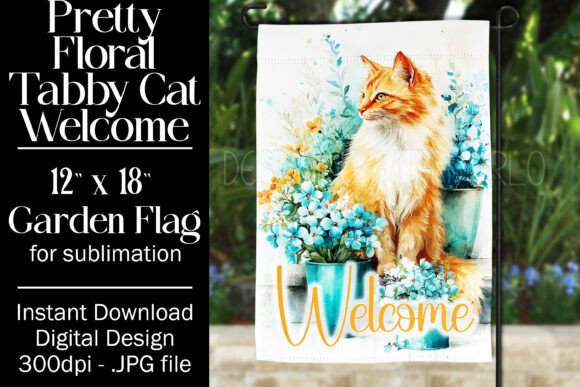
As an experienced designer who has stitched thousands of designs for clients and personal projects, I approach every new embroidery file with a mix of excitement and skepticism. We have all been there: downloading a digital asset that looks perfect on the screen but falls apart under the needle or fails to hold its shape on a finished product. Today, I am evaluating Tabby Cat Garden Flag Sublimation, F4, a unique and abstract tabby cat design paired with flower pots. While the listing markets this specifically as a 12×18 garden flag sublimation graphic, my review focuses on how this visual concept translates when adapted into actual machine embroidery work for custom apparel, home decor, and small business merchandise.
The First Impression: Mood and Visual Personality
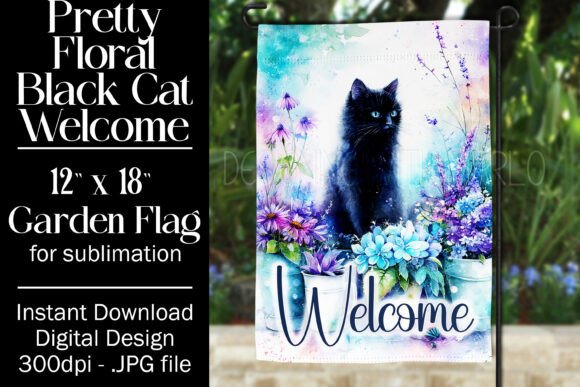
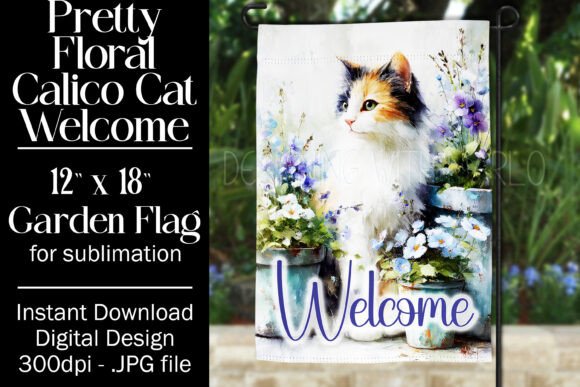
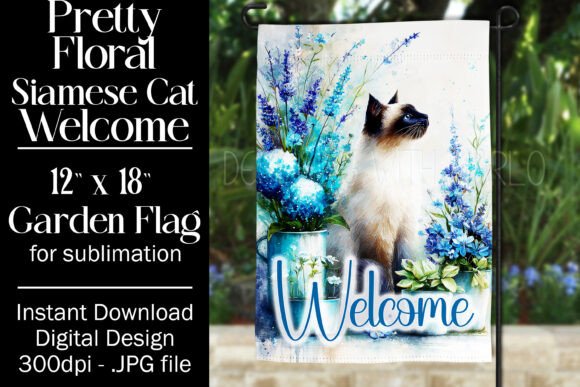
When I first opened the preview of Tabby Cat Garden Flag Sublimation, F4, the immediate feeling was one of whimsical charm. The abstract nature of the tabby cat suggests a modern, artistic flair rather than a rigid, photorealistic portrait. This is crucial for a handmade product because it allows the thread texture to become part of the art itself. The inclusion of pretty flower pots adds a layer of narrative; it isn't just a cat sitting in a void, but a character enjoying a garden scene.
In terms of layout, the design feels balanced enough to serve as a central focal point on a tote bag or a sweatshirt. However, the "abstract" descriptor requires careful consideration. In embroidery, abstraction can sometimes lead to lost details if the stitch density is too low. For this specific design, the visual personality screams "cozy," making it ideal for nursery decor, baby clothes, or spring-themed holiday gifts. It creates a warm, inviting mood that customers associate with comfort and nature.
Real-World Application: From Digital File to Finished Product
I recently considered using this concept for a custom embroidered tote bag project for a local boutique. The goal was to create a summer collection featuring garden themes. While Tabby Cat Garden Flag Sublimation, F4 is technically listed under Crafts and Graphics for sublimation, the underlying artwork is versatile enough to be digitized for machine embroidery if you are comfortable adapting the vector paths.
Imagine stitching this onto a heavy cotton canvas tote. The abstract lines of the cat would translate beautifully into a satin stitch outline, giving the piece a soft, raised texture. The flower pots could utilize fill stitches to create depth. If I were selling this as a Etsy seller, I would market it as a "Garden Lover's Tote." The design fits perfectly into the current trend of personalized gifts where buyers want something that reflects their hobbies without looking like mass-produced clip art.
Similarly, for a small shop owner creating holiday merchandise, this design offers a year-round appeal. Unlike a pumpkin or snowman, a cat with flowers works for Easter, Mother's Day, and general spring decor. When used on a pillow cover or a kitchen towel, the contrast between the cat's fur patterns and the floral elements creates a sophisticated look that elevates the perceived value of the item. It transforms a simple blank into a statement piece.
Technical Challenges and Fabric Considerations
However, not every surface is suitable for this level of detail. As a professional reviewer, I must highlight where Tabby Cat Garden Flag Sublimation, F4 might struggle. The abstract style relies on clean lines and distinct shapes. If you attempt to stitch this on a textured fabric like bouclé or a very thin, sheer material, the stability of the design will be compromised. You risk the threads pulling the fabric out of shape, ruining the silhouette of the cat.
For stretchy fabrics, such as jersey knit t-shirts or sweatshirts, proper stabilizer usage is non-negotiable. Without a high-quality cut-away stabilizer, the tension required for the fill stitches in the flower pots could cause puckering around the edges of the design. Furthermore, if you are working with dark fabric, you must ensure your thread colors offer sufficient contrast. An abstract design can easily get "lost" if the background color blends too much with the thread shades.
Another critical area is hoop size. While the original design is for a 12×18 flag, adapting it for smaller items like caps or patches requires resizing. Reducing the scale too much can turn the abstract details into muddy blobs. Tiny lettering or intricate corners often suffer in small hoops. If you plan to use this for an embroidered patch, you need to verify that the outer edge can be cleanly finished with a tight satin stitch border without cutting off essential parts of the cat or the pots.
Design Judgment for Commercial Projects
When thinking about brand consistency for a boutique, this design offers a friendly, approachable aesthetic. It builds trust with buyers who appreciate artisanal quality. However, you must be mindful of the "finished product" presentation. A poorly stabilized version of this design looks amateurish, which can hurt customer reviews. Conversely, a well-executed version on a high-quality apron or tea towel signals professionalism and attention to detail.
For commercial embroidery projects, consider the washability. Designs with dense stitch areas, like the potential fill in the flower pots, can sometimes trap lint or water if not properly secured. For products that need frequent washing, such as baby clothes or kitchen towels, testing the durability of the stitches is vital. Ensure the thread colors are colorfast and that the design does not shrink significantly relative to the fabric after laundering.
Practical Notes for the Embroidery Designer
If you decide to incorporate this concept into your workflow, whether for a personal gift or a commercial line, follow these practical steps to ensure success:
- Test on scrap fabric first: Always run a test stitch-out on a piece of scrap material that matches your final project. This reveals issues with thread tension, spacing, and stabilizer needs before you commit to the final garment.
- Review stitch density: Check the balance between satin stitches and fill stitches. Too much density on a lightweight fabric will make it stiff and unwearable.
- Check thread color contrast: Use black and white mockups to visualize how the design reads without color. If the values are too similar, the design will lack definition.
- Confirm licensing: Before selling finished items made from this design, confirm the license terms provided by the creator. Some digital assets allow personal use only, while others permit commercial sales of the physical goods.
- Inspect small details: Zoom in on the digital file to see if any tiny lines might disappear during the digitizing process or get lost in the stitching.
- Use proper stabilizer: Match the stabilizer weight to the fabric weight. Heavy fabrics need heavy stabilizers to prevent shifting.
Final Thoughts on Design Value
Tabby Cat Garden Flag Sublimation, F4 presents a compelling visual opportunity for crafters and designers willing to adapt it for embroidery. Its abstract charm and thematic cohesion make it a strong candidate for custom apparel, tote bags, and home decor. However, success depends entirely on execution. By respecting the limitations of the medium—such as fabric texture, hoop size, and stitch density—you can transform a simple digital graphic into a stunning handmade product.
For the creative entrepreneur, this design offers a way to add variety to a catalog without reinventing the wheel. It speaks to the joy of gardening and pets, two universal themes that resonate with buyers. Just remember to treat the transition from sublimation graphic to embroidery file with care, ensuring that the final result maintains the integrity and beauty of the original vision.