Valentine Cat Valentine Heart: A Designer's Review
As someone who has spent years reviewing embroidery files and testing designs on everything from delicate silk to rugged denim, I approach every new download with a mix of excitement and skepticism. There is nothing worse than downloading a file that looks perfect on screen but falls apart under the needle. Today, I am putting Valentine Cat Valentine Heart through its paces to see if it deserves a spot in your digital library for the upcoming holiday season.
My goal here isn't just to list features; it is to give you a practical assessment of how this design behaves in the real world. Whether you are an Etsy seller looking to boost your shop revenue, a boutique owner stocking up for February, or a hobbyist wanting to make a unique gift, understanding the nuances of a design before you stitch is crucial. Let's dive into what makes Valentine Cat Valentine Heart work as a viable option for your next project.
The First Impression: Mood and Visual Personality
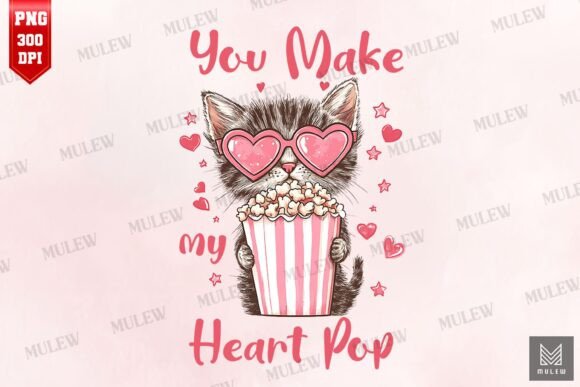
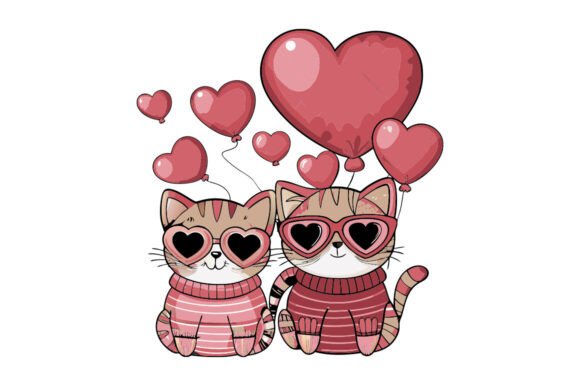
When I first opened the preview of Valentine Cat Valentine Heart, the immediate feeling was one of playful warmth. The combination of a feline subject with a classic heart motif creates a dual appeal that is hard to ignore. It strikes a balance between cute and trendy, which is exactly the sweet spot for modern craft markets. Unlike generic hearts that can feel a bit dated, the inclusion of the cat element gives it a specific character that resonates with younger demographics and pet lovers alike.
The layout appears clean, avoiding unnecessary clutter that often leads to stitching issues. For a machine embroidery design, simplicity is often the key to success. The visual personality suggests a design that is versatile enough to be serious yet whimsical. It feels like a piece that belongs on a high-quality tote bag or a cozy sweatshirt rather than a flimsy promotional item. This initial aesthetic judgment sets the stage for its potential as a finished product that customers will actually want to keep.
Real-World Application: From Screen to Stitch
To truly evaluate Valentine Cat Valentine Heart, we have to imagine it in a production environment. Let's say I am preparing a custom order for a client who wants a personalized baby onesie for a Valentine's Day gift. The design needs to hold up on thin cotton fabric without puckering. Based on the file structure provided, which includes 300 dpi high-resolution PNGs and transparent backgrounds, the mockup process is seamless. I can easily visualize how the design would look centered on a tiny chest area.
However, the true test lies in the stitching clarity. If this is intended as a commercial embroidery project, the density of the stitches matters immensely. In my experience, designs that claim to be "100 color changeable" offer incredible flexibility. Imagine using Valentine Cat Valentine Heart to create a collection of aprons for a local bakery. You could swap the thread colors to match their branding—perhaps a soft pink for the heart and a neutral grey for the cat—without needing to redesign the entire pattern. This adaptability is a game-changer for small business owners trying to maximize their inventory with minimal effort.
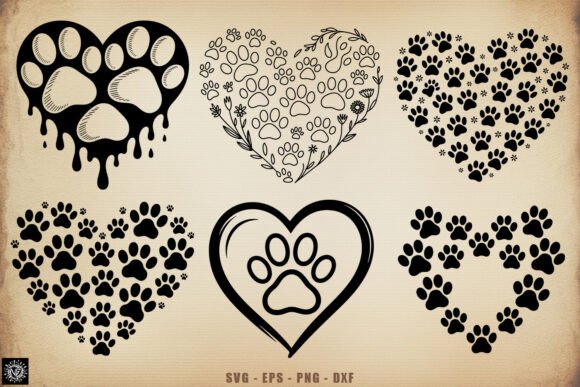
I also considered using this design for a set of embroidered patches to sell at a craft fair. The vector formats (Ai, EPS, SVG) suggest that scaling the design up or down is feasible, which is essential when creating patches of varying sizes. Yet, the outcome depends heavily on the stabilizer used and the hoop size selected. If the design includes too much detail in a small area, it might become a dense block of thread that loses definition. Therefore, while the file offers great versatility, the physical execution relies on the skill of the embroiderer.
Navigating Challenges and Limitations
No design is perfect for every scenario, and being honest about where Valentine Cat Valentine Heart might struggle is part of a responsible review. One of the primary concerns with any detailed graphic is the limitation of small hoop sizes. If you attempt to stitch this on a very small cap or a tight cuff, the intricate details might get lost in the fabric texture. Thin fabrics, especially stretchy knits, can distort the shape of the cat or the heart if not stabilized correctly.
Dense stitch areas are another potential pitfall. If the fill stitch is too heavy, the fabric may pucker, ruining the professional look of the final product. This is particularly relevant for products that require frequent washing, such as kitchen towels or baby clothes. Over time, a poorly balanced design can unravel or lose its crisp edges. Additionally, working on dark fabric requires careful consideration of thread colors and potentially underlay stitches to ensure the design pops without the fabric showing through.
Curved surfaces like baseball caps present their own challenges. While the design itself might be scalable, the curvature of the hat can alter the perception of the heart shape. It is vital to test the design on a curved surface before committing to a large run. Similarly, tiny lettering or decorative accents within the design need to be inspected closely. If the resolution drops or the lines are too fine, they may not register well on textured fabrics like fleece or terry cloth.
Impact on Brand Value and Customer Trust
In the world of handmade products and Etsy listings, the quality of the embroidery speaks volumes about the brand. A design like Valentine Cat Valentine Heart has the potential to elevate a simple tote bag into a premium gift item. When customers receive a product with clear, precise stitching and thoughtful color choices, it builds trust and encourages repeat business. Conversely, a sloppy execution can damage a reputation instantly.
The ability to customize colors allows designers to maintain brand consistency across different product lines. Whether you are selling digital embroidery files or finished goods, having a cohesive look is essential. This design supports that by offering editable layers and multiple file formats. However, it is important to remember that the file alone does not guarantee a perfect result; the operator's expertise plays a significant role in the final presentation.
Practical Designer Notes for Success
If you decide to incorporate Valentine Cat Valentine Heart into your workflow, there are several steps you must take to ensure success. First and foremost, always test the design on scrap fabric before running it on your actual product. This simple step can save you hours of frustration and wasted materials. Check the thread color contrast carefully; a light gray cat on a white background might disappear, while a bold black outline ensures visibility.
Review the stitch density settings in your embroidery software. If the design seems too heavy, consider adjusting the density or reducing the number of passes. Confirm the appropriate hoop size for your specific project to avoid distortion. Inspect small details in your software to ensure they are legible and won't merge together during stitching. It is also wise to test the design in black and white mockups to check for contrast issues before investing in colored threads.
Compare how the design looks on both light and dark fabric backgrounds to determine the best use cases. Use the proper stabilizer for the fabric type you are working with; this is non-negotiable for achieving a professional finish. Finally, verify whether the license allows for both personal and commercial projects. Many designers assume all files are free for resale, but terms vary. Ensure you have the rights to sell finished items made with this design asset.
By following these guidelines, you can transform a standard digital file into a standout piece of art. Valentine Cat Valentine Heart offers a solid foundation for creative expression, provided it is handled with care and technical precision. Whether you are crafting a personalized gift or building a robust catalog for your shop, this design has the potential to shine.