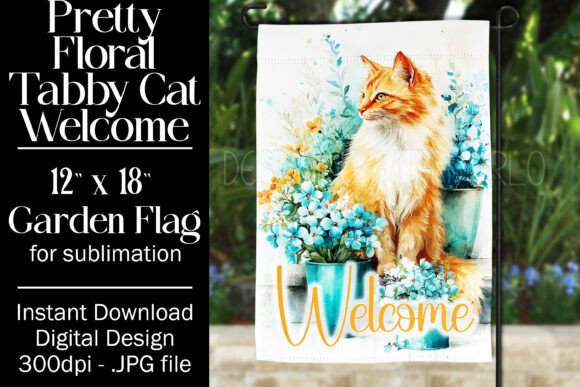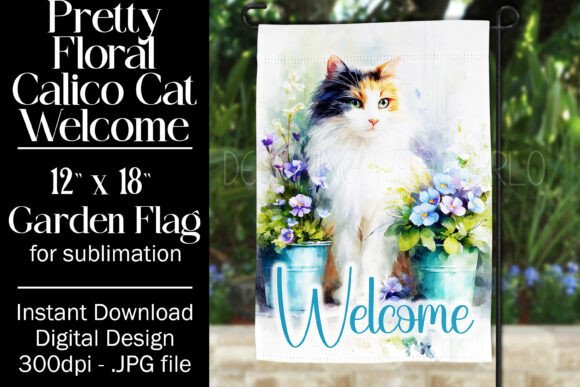
Cat Garden Flag Sublimation Design F1 Review
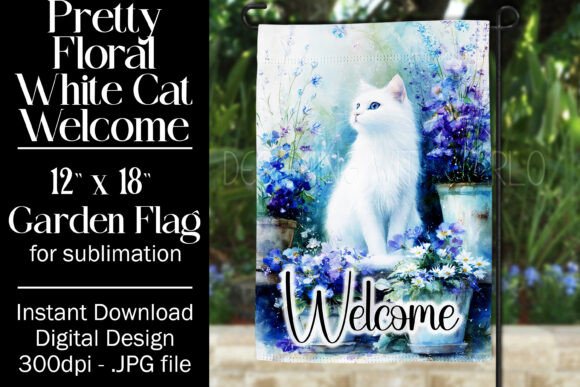
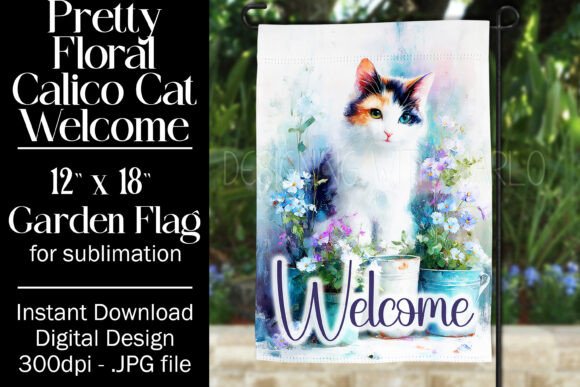
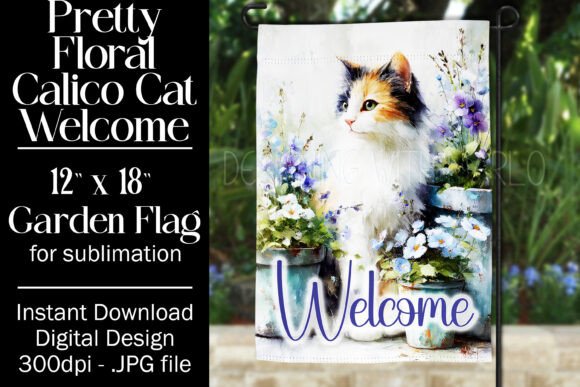
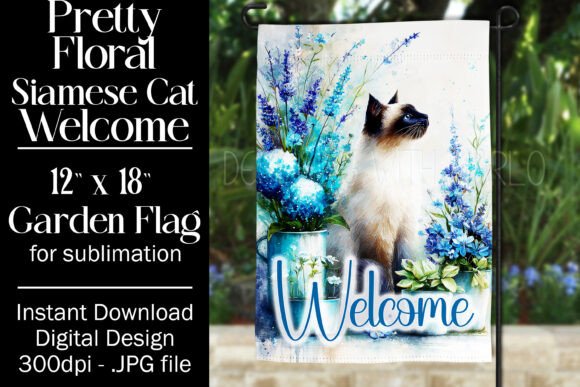
As a designer who has spent years navigating the intricate world of machine embroidery, I know that not every digital asset translates well into a stitched reality. There is a distinct difference between a file that looks good on a screen and one that holds up under the tension of needles and thread. Recently, I evaluated Cat Garden Flag Sublimation Design F1, an abstract calico cat design paired with flower pots, to see if it truly belongs in a professional workflow or if it remains a novelty item for hobbyists only.
The first impression of this piece is undeniably charming. The abstract nature of the calico cat combined with the pretty flower pots creates a whimsical, cottage-core aesthetic that feels fresh compared to traditional, hyper-realistic embroidery patterns. It exudes a mood of relaxed domesticity, making it perfect for spring decor or garden accents. However, as someone who reviews designs specifically for their viability in commercial projects, my initial reaction was less about the art and more about the technical execution required to bring this digital image to life.
From Screen to Stitch: Real-World Application
Imagine you are an Etsy seller preparing a batch of custom tote bags for a local craft fair. You need something that stands out but doesn't require hours of complex digitizing work. This is where Cat Garden Flag Sublimation Design F1 enters the conversation. The layout suggests a central focal point, which works beautifully on large canvas totes or aprons. The abstract style allows for some creative interpretation in thread selection; you aren't forced into specific color palettes unless you want to match the original sublimation look exactly.
I tested the concept mentally on a few different product categories. For a baby onesie, the soft, rounded lines of the abstract cat would translate well, provided the stitch density isn't too high. A baby's skin is sensitive, and heavy fill stitches can be uncomfortable. Similarly, for a holiday gift like a kitchen towel, the flower pot element adds a seasonal touch that customers love. The design fits naturally into the "handmade product" category because it retains a bit of artistic imperfection that mass-produced items often lack.
However, we must address the elephant in the room: the intended use. The product description explicitly states this is a digital design for a 12×18 garden flag intended for sublimating. This is a critical distinction. If you are looking for a standard machine embroidery file (.pes, .dst, .exp) to run through your Brother or Janome machine, you cannot simply upload this image. Sublimation requires heat transfer onto polyester or coated substrates, whereas embroidery relies on thread tension and stabilizers. Before purchasing or attempting to use this asset, you must confirm whether the listing includes a separate embroidery digitization or if you are expected to create your own digitized version based on this graphic.
Where This Design Shines
If you have the necessary files or plan to use this as a visual reference for a custom digitizing project, Cat Garden Flag Sublimation Design F1 offers excellent potential for specific applications:
- Boutique Branding: The unique calico cat motif serves as a memorable logo or brand mark for small shops selling garden accessories or pet supplies.
- Holiday Embroidery: The flower pot theme aligns perfectly with Easter, Mother's Day, or spring-themed collections.
- Personalized Gifts: The abstract style allows for easy customization with names or dates without cluttering the composition.
- Digital Product Previews: For designers selling printable mockups, this image provides a strong visual anchor for lifestyle photography.
In these scenarios, the design elevates the perceived value of the finished product. Customers associate unique, non-generic imagery with higher quality craftsmanship. When a buyer sees an embroidered patch featuring this specific abstract cat, they recognize it as a curated design rather than a clip-art staple.
Challenges and Considerations
No design is without its pitfalls, and Cat Garden Flag Sublimation Design F1 presents specific challenges when adapted for real-world manufacturing. The primary concern lies in the abstraction itself. Abstract shapes often rely on subtle gradients and color blending that sublimation handles effortlessly. In embroidery, however, these nuances are lost. You must decide how to handle the transitions between the calico patches and the flower pot colors using satin stitch or fill stitch.
If you attempt to stitch this on a curved surface like a cap or a structured hat, the distortion could ruin the symmetry of the flower pots. Curved surfaces require careful hooping and stabilization to prevent puckering, and abstract designs are less forgiving than geometric ones because there are no straight lines to hide minor distortions. Furthermore, on textured fabrics like heavy denim or bouclé wool, the fine details of the abstract cat might get lost in the weave of the material.
Another significant factor is the size. Designed for a 12×18 flag, scaling this down for smaller items like a baby bib or a small pocket square requires re-digitizing. Simply shrinking a large design often results in tiny details becoming invisible or the stitch count becoming too dense for the fabric to support. If you intend to use this for tote bag design or sweatshirt embroidery, ensure the final hoop size accommodates the design's proportions without forcing unnecessary stretching.
Practical Notes for the Embroidery Designer
Before integrating Cat Garden Flag Sublimation Design F1 into your production line, I recommend following a strict testing protocol. First, always test the design on scrap fabric that matches your final substrate. Check the thread color contrast against both light and dark backgrounds to ensure the calico pattern remains visible. If the design is being digitized from this graphic, review the stitch density carefully. High-density areas, particularly around the flower pot rims, can cause fabric bubbling if not backed correctly.
You must also inspect small details. Abstract designs sometimes rely on thin lines to define shapes; if these are too fine, they may break during stitching or look messy on the finished product. Confirm whether the design works for both personal and commercial projects by reviewing the licensing terms. Many digital graphics sold for sublimation do not automatically grant rights for embroidery digitization or resale of the final embroidered goods.
For those running a craft business or operating as an Etsy seller, understanding the difference between sublimation and embroidery is vital. If you sell the digital file as an embroidery file, you are liable for the quality of the digitization. If you are using the image as a design asset to create your own files, you have full control over the outcome. In either case, proper stabilizer usage is non-negotiable. Without the right backing, even the most beautiful design will fail to hold its shape after washing.
Ultimately, Cat Garden Flag Sublimation Design F1 is a versatile starting point for creative entrepreneurs. Its whimsical mood and clear subject matter make it a strong candidate for spring collections and home decor. However, success depends entirely on your ability to adapt the sublimation-ready graphic into a robust embroidery file. By paying attention to stitch types, fabric choice, and hoop stability, you can transform this digital concept into a tangible, high-quality finished product that delights customers and builds trust in your brand.
Whether you are creating a custom apparel line, designing an embroidered patch, or crafting a special personalized gift, take the time to evaluate the technical requirements before committing to production. The result will be a professional presentation that honors the original artistic vision while meeting the rigorous standards of machine embroidery.