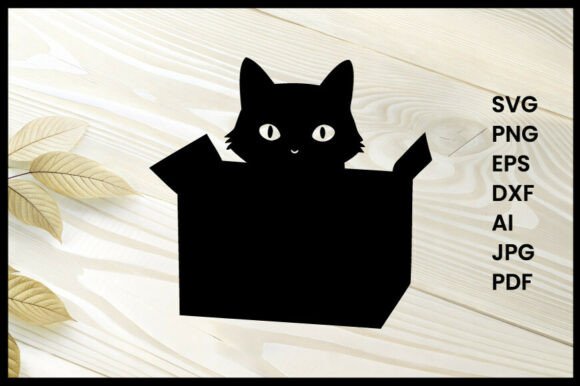
Cat Scratching Post Silhouette Vector Review
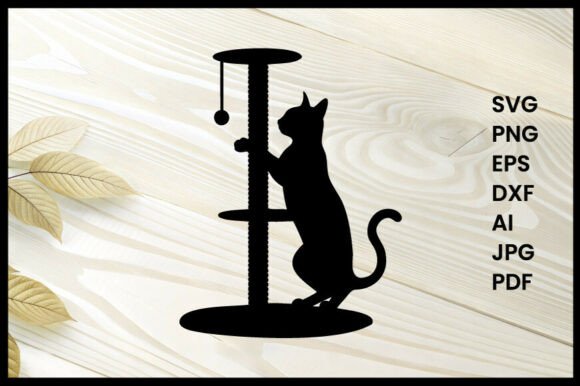
As someone who has spent years stitching out thousands of designs for clients and personal projects, I know that the difference between a cute digital file and a professional finished product often comes down to the source material. When I first laid eyes on the Cat Scratching Post Silhouette Vector, my initial reaction wasn't just about how it looked on a screen, but how it would translate into thread. This is a Graphics asset from the Crafts category, but its true potential lies in its application as a machine embroidery design. It captures a playful moment—a cat interacting with a tree toy—that feels organic and full of personality.
The silhouette format is a smart choice for embroidery. Unlike complex vector illustrations with fine lines that can get lost in dense stitch work, a solid shape offers clean edges and a bold visual statement. The mood created by this design is lighthearted and whimsical, making it an immediate fit for nursery decor, pet-themed apparel, or boutique branding. Before I even opened my hoop, I could visualize how this embroidery file would elevate a simple item into a cherished gift.
Real-World Application: The Custom Tote Bag Scenario
To truly evaluate the Cat Scratching Post Silhouette Vector, I like to imagine a specific project. Let's say I am preparing a custom embroidered tote bag for a local pet adoption event. The goal is to create something that looks handmade but holds up to daily use. A flat graphic often gets lost on canvas, but a well-executed silhouette works beautifully.
When I place this design on a sturdy canvas tote, the negative space allows the fabric texture to show through if we use a satin stitch border, while the filled areas provide a rich, textured look. The playfulness of the cat interacting with the post adds a narrative element; it isn't just a logo, it's a story. Customers walking past a booth at a craft fair will stop because the design speaks to their love for pets without needing words. This kind of visual appeal drives engagement and makes the finished product feel more valuable than a standard printed transfer.
I also considered using this for a sweatshirt embroidery project for a client who runs a small online shop. The silhouette's clean lines are perfect for the chest area of a hoodie. Because it is a vector-based concept converted for stitching, it maintains its integrity even when scaled slightly larger or smaller. For a sweatshirt embroidery piece, the contrast between the dark background fabric and light thread (or vice versa) would make the cat pop, creating a professional look that customers trust.
Where This Design Shines
This embroidery project has a natural home in several key areas where handmade products are in high demand. The simplicity of the silhouette makes it incredibly versatile:
- Personalized Gifts: Imagine a baby blanket with this design stitched in soft pastel threads. The gentle curves of the cat and post create a soothing image for a nursery, fitting perfectly into baby embroidery trends.
- Apparel Decor: Whether it is a cap, an apron, or a kitchen towel, the design's compact nature allows it to fit in various spots without overwhelming the garment. It works wonderfully as a tote bag design or a patch on a denim jacket.
- Holiday Embroidery: During the holidays, this could be adapted for a festive gift tag or a pillow cover. The "playful" aspect translates well to holiday themes where joy and fun are the priorities.
- Commercial Embroidery: For Etsy sellers and small shop owners, this is a goldmine. It serves as a reliable design asset that can be used in printable mockups to showcase inventory before the physical item is even made.
Technical Considerations and Potential Pitfalls
While the artistic vision is strong, a designer must remain grounded in technical reality. Not every surface is suitable for every design. When evaluating the Cat Scratching Post Silhouette Vector, there are specific constraints to keep in mind to ensure the stitch density and thread colors land correctly.
First, consider the hoop size. If you attempt to stitch this on a very small 4x4 hoop, the details of the cat's interaction with the tree might become too cramped. The legs or tail could merge into a blob of thread if the scale is too tight. Always test the design on scrap fabric first to see if the proportions hold up. Conversely, on large items like blankets, ensure the design doesn't look too sparse unless you intend to add surrounding elements.
Fabric choice is equally critical. Textured fabrics, such as heavy fleece or bouclé, can distort the clean lines of a silhouette. On thin or stretchy fabrics like jersey, the tension required for a fill stitch might cause puckering. In these cases, using the right stabilizer is non-negotiable. You need enough support to keep the fabric taut so the applique design or satin stitch borders remain crisp.
Dense stitch areas can also be a challenge. If the design relies heavily on fill stitches to create the silhouette, it may become stiff. For a custom apparel item like a shirt meant to be worn against the skin, excessive density can be uncomfortable. I recommend checking whether the design uses running stitches for outlines or if it relies solely on fills. A mix of satin stitch for definition and running stitch for softer edges often yields the best result.
Visual Impact and Brand Consistency
The success of any craft business relies on consistency. Using a high-quality design like the Cat Scratching Post Silhouette Vector helps build brand trust. When a customer receives a personalized gift or a handmade product with clean, professional stitching, they perceive higher value. There is no room for loose threads or misaligned shapes in a commercial setting.
The silhouette style is particularly effective for branding because it is easily recognizable even from a distance. On a printed mockup or a digital preview, the black-and-white contrast ensures the image reads clearly. However, when moving to actual thread, color selection becomes paramount. A dark cat on a dark background will disappear, while a light cat on a white background might lack definition. Experimenting with thread colors is essential to maintain the visual appeal.
Practical Designer Notes for Success
If you are planning to use this digital embroidery file for your next commercial embroidery venture or a personal hobby project, here are the steps I take to ensure perfection:
- Test First: Never jump straight into the final product. Run a test on a scrap piece of the same fabric you plan to use. Check for puckering, thread breaks, and alignment issues.
- Check Licensing: Before selling finished items, confirm the license terms. Ensure you have the rights to use the design for commercial purposes and that you are not violating any restrictions on print-on-demand services.
- Mockup Verification: Create black and white mockups to see how the design looks in monochrome. This helps identify if the shape itself is balanced before adding the complexity of thread colors.
- Stabilizer Selection: Match your stabilizer to the fabric weight. Heavy fabrics need heavy backing, while delicate items need lightweight, tear-away options to prevent bulkiness.
- Detail Inspection: Zoom in on the corners and curves of the cat and post. Small details can sometimes get lost in translation, so inspect the digitization closely.
Ultimately, the Cat Scratching Post Silhouette Vector is a strong candidate for anyone looking to add a touch of feline charm to their portfolio. It bridges the gap between a simple graphic and a tactile, high-quality textile art piece. By understanding its strengths and limitations, you can transform this vector illustration into a standout embroidery project that delights customers and elevates your small shop product line.