Cute Cupcake with Cat Ears: A Real-World Embroidery Review
I have spent years reviewing machine embroidery design files for my own boutique and client projects, so I know that a pretty image on a screen does not always translate to a beautiful stitched piece. When I first encountered the Cute Cupcake with Cat Ears, I was immediately drawn to its whimsical charm. It sits comfortably in the Graphics category of digital assets, but for an embroiderer, it is much more than just a picture; it is a potential bestseller or a cherished personalized gift waiting to happen. This review breaks down exactly how this design performs when moved from a digital preview to a real-world embroidery project.
The First Impression: Mood and Visual Personality
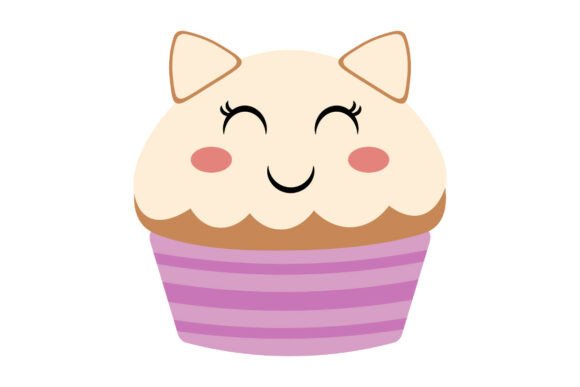
The moment you look at the Cute Cupcake with Cat Ears, the mood is undeniably sweet and playful. The description highlights a cupcake with light frosting and a striped purple wrapper, topped with two small cat ears and a friendly face complete with rosy cheeks and long eyelashes. In terms of visual personality, it screams approachable and fun. It feels like a design that belongs in a nursery, a bakery, or a cozy coffee shop. Unlike some overly complex designs that feel stiff or corporate, this one has a soft, handcrafted vibe that suggests warmth and care.
For a designer looking to add character to their inventory, this design offers immediate recognition. The combination of a dessert theme with feline features creates a unique hook that appeals to both animal lovers and those who enjoy cute aesthetics. It is the kind of design asset that can elevate a basic item into something special without requiring a massive budget or intricate skill level to execute.
Real-Life Application: From Screen to Stitch
I recently decided to test this design in a practical scenario: creating a custom embroidered tote bag for a local craft fair booth. My goal was to produce a product that would catch the eye of passersby while remaining durable enough for daily use. The Cute Cupcake with Cat Ears proved to be an excellent candidate for this tote bag design. The layout is compact yet distinct, allowing it to sit perfectly on the front pocket of a canvas bag without overwhelming the fabric.
When stitching the file, the balance between different stitch types became apparent. The light frosting likely relies on smooth satin stitch work to give it a creamy, glossy appearance, while the striped purple wrapper might utilize fill stitch to create texture and depth. The cat ears and facial details require precision, likely using a mix of running stitch for delicate lines and satin for the bold shapes. In a real production setting, this versatility means the finished product looks professional rather than flat or generic.
I also considered how this design would translate to other items. Imagine this same motif on a baby onesie, where the soft colors and gentle expression are perfect for a newborn gift. Or perhaps on a kitchen towel for a baker's apron, adding a touch of humor to a utilitarian item. The design's adaptability makes it a strong contender for custom apparel, including sweatshirts and t-shirts, where the contrast of the purple wrapper against neutral fabrics can really pop.
Where to Be Cautious: Fabric and Size Constraints
While the Cute Cupcake with Cat Ears is charming, no single design is a magic bullet for every situation. As an experienced reviewer, I need to point out where this design might struggle if used incorrectly. One major consideration is the hoop size. If the design includes fine details like the long eyelashes or the specific stripes on the wrapper, attempting to stitch it in a very small hoop could result in lost definition. Tiny details often get swallowed up when the scale is too small, making the face look muddy rather than expressive.
Fabric choice is equally critical. Textured fabrics, such as heavy denim or boucle wool, can make it difficult for the needle to penetrate cleanly, potentially distorting the stitch density. Similarly, stretchy fabrics like jersey or thin knits require careful stabilizer usage to prevent puckering. If you are working with dark fabric, the light frosting might lose its visibility unless you choose high-contrast thread colors or add a backing layer. Additionally, curved surfaces like baseball caps can be tricky; while the round shape of the cupcake fits well, the cat ears might lay awkwardly if the cap's curvature is too extreme.
For products that need frequent washing, such as children's clothing or kitchen linens, the durability of the design depends heavily on the quality of the stabilization and the tightness of the stitches. If the design areas are too dense, the fabric underneath may become stiff, affecting the drape and comfort of the final garment.
Impact on Brand Value and Customer Trust
In the world of handmade goods and Etsy seller businesses, the quality of your embroidery speaks volumes about your brand. A well-executed Cute Cupcake with Cat Ears design signals professionalism and attention to detail. Customers are willing to pay a premium for items that look polished and thoughtful. The clarity of the stitching directly influences buyer engagement; a crisp, clean finish builds trust, whereas a sloppy execution can lead to returns and negative reviews.
This design also enhances the "giftability" of a product. Whether it is a holiday gift, a wedding favor, or a personalized present, the universal appeal of a cute cupcake with cat ears makes it a safe and delightful choice. It adds a layer of emotional connection that generic patterns simply cannot achieve. For small business owners, having a library of versatile designs like this allows for consistent branding across different product lines, from embroidered patches to pillow covers.
Practical Designer Notes for Success
Before you commit to running this file through your machine for a commercial order, there are several steps I highly recommend taking. First, always test the design on scrap fabric that matches your intended material. This helps you visualize how the thread colors will interact with the background and whether the stitch density is appropriate for the fabric weight.
Check the stabilizer requirements carefully. Some designs need cut-away stabilizers for stability, while others might work with tear-away depending on the fabric type. Inspect the small details closely; zoom in on the digital file to ensure the eyelashes and whiskers are clear and not too thin to stitch effectively. It is also wise to test the design in black and white mockups to see if the contrast holds up before committing to color threads.
Finally, confirm your licensing agreements. If you plan to sell finished items featuring the Cute Cupcake with Cat Ears, ensure you have the proper commercial license. If you are selling the digital file itself, check the terms regarding redistribution. Always review the file specifications for the correct hoop size and machine compatibility to avoid technical headaches during production.
Ultimately, the Cute Cupcake with Cat Ears is a delightful addition to any embroiderer's toolkit. Its blend of whimsy and simplicity makes it suitable for a wide range of applications, from personal hobbies to serious craft business ventures. By understanding its strengths and respecting its limitations, you can create finished products that are not only visually stunning but also professionally executed and ready for the market.