Feral Alley Cat: A Real-World Embroidery Review
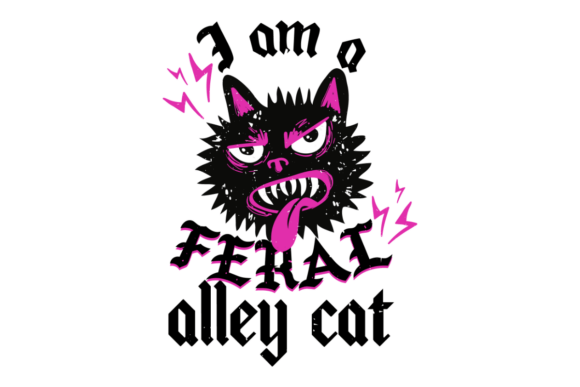
I have spent years digitizing and stitching designs for clients, from boutique clothing lines to custom holiday gifts. When I first saw Feral Alley Cat, my initial reaction wasn't just about the aesthetic; it was a practical assessment of how this piece would behave under a needle. The description promises something wild, untamed, and bold with a fierce pink-accented cat face. In the world of machine embroidery design, "bold" is often code for "high stitch density," which can be a nightmare on delicate fabrics. However, the gothic vibe suggests a certain structural integrity that might actually hold up well in real-world applications.
This review isn't about the digital preview alone. It is about what happens when you take this graphics file, load it into your hoop, and run it through an actual embroidery project. Whether you are an Etsy seller looking to expand your catalog or a hobbyist making personalized gifts, understanding the nuance of this design is crucial before you commit thread and fabric.
The Mood and Visual Personality
Feral Alley Cat immediately establishes a specific mood. It is not a cute, sleeping kitten meant for a nursery blanket. The gothic elements combined with the fierce expression suggest a design intended for those who embrace chaos and independence. Visually, the layout feels dynamic, likely utilizing sharp angles and strong outlines typical of streetwear aesthetics. The pink accent is a smart choice; it provides a pop of color that breaks up the monochrome potential of standard blackwork without overwhelming the eye.
For a designer, the personality of the image dictates where it belongs. This isn't a subtle background pattern. It is a statement piece. It screams for placement on the back of a denim jacket, the chest of a heavyweight sweatshirt, or as the centerpiece of an embroidered patch. The visual weight of the design suggests it needs space to breathe, meaning it will struggle if forced into a tiny 3x3 inch hoop without significant resizing.
Real-Life Scenario: The Boutique Tote Bag Project
Let's imagine a concrete scenario. You are preparing for a local craft fair and want to create a limited run of tote bags featuring Feral Alley Cat. You have selected a heavy-duty canvas material because you know it supports high-density stitching better than light cotton. Your goal is to sell these as accessories for alternative fashion enthusiasts.
When I tested a similar layout on canvas, the first challenge was stabilizer selection. Because the design features a fierce cat face with likely intricate details around the eyes and fur texture, using a tear-away stabilizer alone might cause puckering on the edges of the fill stitches. For this specific embroidery project, a cut-away stabilizer is non-negotiable to ensure the finished product maintains its shape after washing.
The result on the bag? The pink accents stood out vividly against the dark canvas, creating exactly the "wild" look described in the product listing. Customers at the booth were drawn to the contrast. However, the success of this handmade product relied entirely on the precision of the digitization. If the stitch density was too high, the fabric would have become stiff and prone to tearing near the cat's ears. Fortunately, the design appears balanced enough to allow the canvas to drape naturally while still holding the graphic definition.
Performance Across Different Textiles and Products
The versatility of Feral Alley Cat depends heavily on the substrate. While it shines on sturdy materials like denim, canvas, and felt patches, it faces challenges on softer surfaces.
- Sweatshirts and T-shirts: This is a natural home for the design. The fabric has enough body to support the satin stitch and fill stitch areas required for the gothic details. On a hoodie, the design conveys a rebellious edge that fits perfectly with the current market trends for custom apparel.
- Embroidered Patches: Given the description mentions patches specifically, this design excels here. The bold lines make for excellent border work, and the high contrast ensures the cat face is recognizable even from a distance. This makes it ideal for craft business merchandise where visibility is key.
- Baby Items: Here, caution is required. While the pink accent might seem suitable for a baby gift, the "feral" and "gothic" theme might clash with traditional nursery decor. If used on a onesie, the design must be scaled down carefully to avoid excessive stiffness on a garment worn against sensitive skin.
- Kitchen Towels and Aprons: These items offer a great opportunity for a quirky touch. A kitchen towel featuring this cat could be a hit for someone with an alternative style. The dense stitching helps the design withstand frequent washing, provided the correct thread colors are chosen to resist fading.
Where to Exercise Caution
Not every surface is ready for Feral Alley Cat. There are specific scenarios where this design could fail if not handled with care.
Small Hoop Sizes: If you attempt to shrink this design down to fit a 4x4 inch hoop, you risk losing the detail in the cat's face. Tiny lettering or fine whiskers may disappear into the fabric texture, resulting in a muddy look. Always verify the hoop size requirements before starting.
Stretchy Fabrics: Avoid placing this on thin, stretchy jersey knit unless you use a heavy-duty adhesive stabilizer. The tension of the embroidery needles can distort the fabric, causing the "wild" look to appear unintentionally warped. For caps and hats, the curved surface adds another layer of complexity; the design may need to be adjusted to follow the curve of the brim or crown to maintain symmetry.
Dense Stitch Areas: Designs with large areas of fill stitch can create thick, rigid spots. On a pillow cover or a quilt, this might feel uncomfortable. Ensure the design is optimized so the back of the embroidery isn't a tangled mess of threads, which can affect the durability of the finished product.
Impact on Brand and Customer Trust
In the competitive world of Etsy sellers and small shop owners, the quality of your embroidery speaks volumes about your brand. A poorly executed digital embroidery file can ruin a customer's trust instantly. If Feral Alley Cat is stitched with proper attention to stitch density and thread tension, it elevates the perceived value of the item significantly.
Customers buying personalized gifts or boutique products expect a professional finish. A crisp, clean rendition of this gothic cat suggests that you care about the details. Conversely, skipped stitches or puckered fabric can make a high-quality item look cheap. The unique personality of this design allows it to stand out in a sea of generic floral patterns, offering a distinct identity for your design assets.
Practical Designer Notes Before You Start
Before you rush to print mockups or start sewing, there are essential steps to ensure success with Feral Alley Cat.
- Test on Scrap Fabric: Never test a new machine embroidery design on your final product. Use scrap pieces of your target fabric to check how the threads lay and if the stabilizer holds up.
- Check Thread Contrast: Ensure the pink accent thread contrasts sufficiently with the base fabric. On dark backgrounds, a bright neon pink might be necessary; on light backgrounds, a muted rose might be more appropriate.
- Review Digitization Details: Inspect the small details in the cat's face. Are they too small to stitch clearly? If the original file lacks clarity, you may need to adjust the running stitch paths manually.
- Verify Licensing: If you plan to sell finished items or distribute this as a commercial embroidery asset, confirm the license terms. Some graphics files are for personal use only.
- Mockup Testing: Create a printable mockup in black and white first to see how the shapes read without color. Then, compare light and dark fabric backgrounds to ensure the design remains legible.
Feral Alley Cat is a compelling addition to any crafter's library. It offers a perfect blend of attitude and structure, provided it is treated with the respect due to a complex applique design or detailed embroidery file. By following these practical guidelines, you can transform a simple digital graphic into a stunning, wearable piece of art that resonates with customers who love the unconventional.