Too Hot Cat: A Designer's Real-World Embroidery Review
When I first opened the Too Hot Cat design file, my initial reaction wasn't about the stitch count or the file format. It was about the vibe. There is a specific energy required for a design to work well in physical form, and this piece delivers it immediately. The concept of a fierce feline wearing heart-shaped shades with pastel flair strikes a perfect balance between playful and edgy. As someone who has spent years evaluating graphics for actual stitching, I look for that moment where a digital image translates into a tactile experience that feels premium rather than cheap. This design hits that mark right out of the gate.
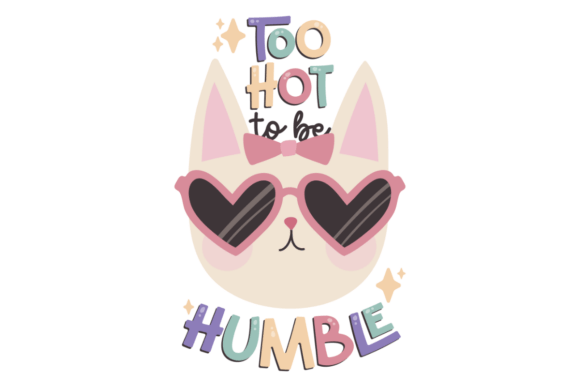
The prompt describes Too Hot Cat as "Too Hot to Be Humble," and that attitude translates perfectly into the visual language of the embroidery. It isn't just a cute cat; it's a statement. For crafters, Etsy sellers, and small business owners looking for unique design assets, this graphic offers a distinct personality that stands out against the sea of generic animal motifs. It feels like something you would want to wear on a hot summer day or gift to a friend who needs a little confidence boost. But does it hold up under the needle? That is the real question.
Bringing the Design to Life: A Custom Tote Bag Scenario
Let me paint a picture of how I see this design being used in a real project. Imagine you are preparing for a weekend craft fair or fulfilling a rush order for a boutique client. You decide to create a custom embroidered tote bag featuring Too Hot Cat. The goal is to make a product that customers will grab off the shelf because the personality jumps out at them.
The layout of the design suggests a central placement on a canvas tote. The heart-shaped shades provide a natural focal point, which is crucial when working with machine embroidery. If the eyes of the cat were too small or the details too scattered, the image might get lost in the weave of the fabric. However, the bold shapes here allow the stitch density to breathe. When I imagine the finished product, the pastel colors popping against a neutral background feel fresh and summery. It transforms a simple utility item into a fashion accessory. The "fierce" expression adds a layer of character that makes the bag feel personalized, even if it's part of a larger production run.
This scenario highlights why embroidery designers need to think beyond the screen. A design that looks great on a monitor can sometimes fall flat on a 5x7 hoop. In this case, the strong outlines and clear shapes of the sunglasses suggest that the design will maintain its integrity even after multiple washes. It avoids the trap of looking like a blurry watercolor print once stitched. Instead, it retains the crispness of a vector graphic while gaining the texture of thread.
Where Too Hot Cat Shines in Apparel and Accessories
Beyond tote bags, the versatility of this design is impressive. It fits naturally into the category of custom apparel, particularly for sweatshirts and t-shirts. The "summer accent" aspect mentioned in the description is key here. Pastel threads on a light-colored tee or a white hoodie would look incredibly clean. The design works well as a chest logo or a back print, depending on the scale of the garment.
I also see this as an excellent candidate for baby items. Parents love unique, non-cliché designs for their children's clothing. A onesie or a baby hat featuring a cool cat in shades is a hit for nursery decor or a shower gift. The soft pastel palette ensures it doesn't look too aggressive, despite the "fierce" label. Furthermore, for those selling personalized gifts, this design could be easily adapted with names or dates without cluttering the main image. The negative space around the cat allows for flexibility in adding text or decorative elements.
For Etsy sellers and small shop products, the commercial potential is high. It creates a cohesive brand identity that feels modern and approachable. Whether you are making embroidered patches for jackets or creating holiday embroidery projects, Too Hot Cat offers a recognizable theme that customers can connect with emotionally. It moves beyond a simple graphic into a lifestyle statement, which increases the perceived value of the finished product.
Practical Considerations for the Embroidery Process
While the aesthetic appeal is strong, a professional review must address the technical realities of stitching. Not every design works on every surface, and knowing where to draw the line is what separates a hobbyist from a pro. Here are the practical notes I would give before starting a large batch of commercial embroidery with this file.
Hoop Size and Detail Limitations: While the design is robust, you must be careful with very small hoop sizes. If you attempt to stitch this on a tiny cap or a small patch, the heart-shaped shades might lose definition. The curves of the glasses need enough room to execute properly. Always test the design on scrap fabric first to ensure the stitch density isn't so high that it puckers the material. If the design includes fine lines within the fur or the shading of the hearts, they may disappear entirely on textured fabrics like fleece or heavy denim.
Fabric Texture and Stability: The success of Too Hot Cat relies heavily on the choice of stabilizer. For stretchy fabrics like jersey or knit caps, a cut-away stabilizer is non-negotiable to prevent distortion. Thin fabrics, such as lightweight linen or sheer materials, require extra care; the weight of the thread could cause the fabric to sag over time. Similarly, dark fabrics present a challenge. If you are using pastel threads on a black shirt, the coverage might not be sufficient without a heavy underlay or a backing layer. This could lead to the design looking washed out or the colors appearing muddy.
Thread Color Contrast: The description mentions "pastel flair." In a real-world setting, pastel threads can sometimes lack contrast against lighter backgrounds. Before committing to a full run, check your thread colors against the fabric. A light yellow or pale pink might vanish on a cream shirt. Conversely, on dark backgrounds, pastels often need a specific sheen to pop. Experimenting with metallic or variegated threads could add depth, but you must ensure the machine embroidery design supports these variations without getting tangled.
Design Assets and Licensing for Business Owners
If you are planning to sell items made with this design, whether as a digital embroidery file or a physical good, licensing is paramount. Many designers assume that purchasing a graphic grants full commercial rights, but this varies wildly. Before listing Too Hot Cat on your shop or using it for client projects, verify the terms. Are you allowed to sell the finished items? Is there a limit on the number of units? Does the license cover digital mockups for marketing?
For those creating printable mockups to preview the design, ensure the resolution is high enough to show the stitch texture accurately. Buyers today are savvy; they want to see how the thread interacts with the fabric. A low-quality image might make a beautiful design look amateurish. Use proper lighting and close-up shots to highlight the quality of the satin stitch and fill stitch areas.
In conclusion, Too Hot Cat is more than just a cute image; it is a functional tool for creative entrepreneurs. Its strong composition and appealing theme make it a valuable addition to any collection of crafts and graphics. However, like any tool, its effectiveness depends on how you use it. By respecting the limitations of the medium—checking hoop sizes, choosing the right fabric, and understanding the licensing—you can turn this digital asset into a tangible, profitable, and beloved handmade product. It is a design that invites confidence, both in the wearer and the maker.