Reviewing Tuxedo Cat Garden Flag Sublimation, F1 for Real Use
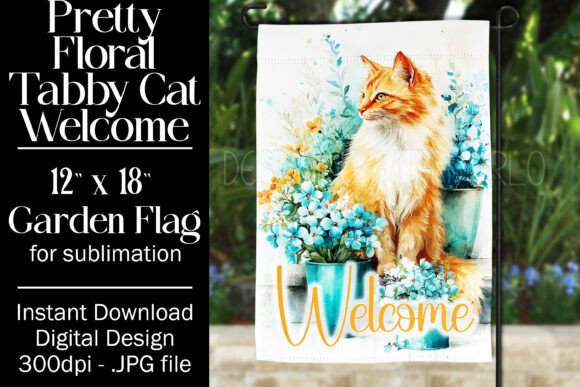
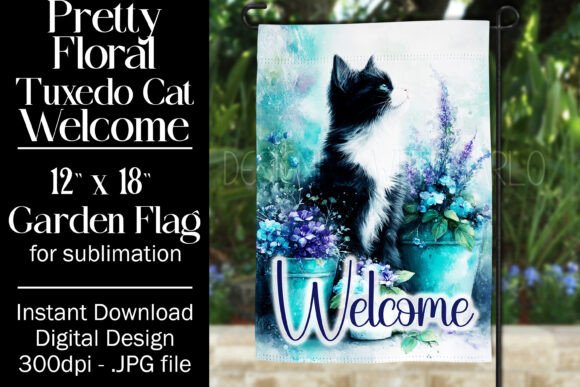
I have spent years reviewing machine embroidery design files for everything from boutique branding to custom baby gifts. Most of the time, I am looking for clean lines, balanced stitch density, and a layout that actually translates well from screen to fabric. When I first encountered Tuxedo Cat Garden Flag Sublimation, F1, my initial reaction was cautious curiosity. The product description highlights it as a pretty tuxedo cat with flower pots designed specifically for a 12×18 garden flag using sublimation. However, as an experienced designer who often repurposes digital assets for physical embroidery projects, I wanted to see if this embroidery file could hold its own outside of its intended sublimation niche.
The mood of Tuxedo Cat Garden Flag Sublimation, F1 is undeniably charming. It captures that specific blend of domestic warmth and whimsical elegance that makes for excellent handmade products. The visual personality suggests a design meant to bring joy, likely finding a home in a nursery, a craft room, or a cozy entryway. But does that charm survive the translation into thread? Let's dive into how this piece performs when we move beyond the digital mockup and into the hoop.
Real-World Application: Beyond the Garden Flag
While the listing explicitly markets this as a sublimation asset for a 12×18 flag, many of us in the craft business are always looking for versatile design assets. Imagine you are preparing a custom embroidered tote bag for an upcoming craft fair. You need something that pops but doesn't overwhelm the canvas. If Tuxedo Cat Garden Flag Sublimation, F1 were adapted for a smaller hoop, the tuxedo cat motif would serve as a fantastic focal point on a canvas tote. The contrast between the black and white fur of the cat and the colorful flower pots offers natural opportunities for vibrant thread colors.
Consider a scenario where you are creating personalized gifts for a holiday market. A small sweatshirt embroidery project featuring this character could be a hit for parents buying for their children. The "pretty" nature of the design aligns perfectly with baby embroidery trends. However, the transition from a large garden flag format to a wearable item requires careful consideration. The layout might feel sparse if simply shrunk down without adjusting the surrounding elements. For a sweatshirt embroidery application, you might find yourself needing to add complementary text or border elements to balance the composition, ensuring the finished product looks professional rather than like a leftover graphic.
I also envision this design working beautifully on kitchen towels or aprons. The floral theme pairs naturally with culinary aesthetics. If you are an Etsy seller looking to expand your inventory, adding a line of embroidered tea towels featuring Tuxedo Cat Garden Flag Sublimation, F1 could attract customers who love cute animal motifs. The key here is understanding that while the original intent was sublimation, the underlying artwork has the potential to shine in a commercial embroidery context if handled with the right technique.
Navigating Stitch Density and Fabric Texture
When evaluating any digital embroidery file for practical use, stitch density is paramount. In my experience, designs intended for sublimation sometimes lack the structural integrity required for dense stitching on fabric. If the Tuxedo Cat Garden Flag Sublimation, F1 relies heavily on satin stitch for the outlines of the cat or the flower pots, it might struggle on thin fabrics or stretchy materials like jersey knit. Satin stitches can pull and distort if the density is too high for the fabric weight.
This brings us to the importance of choosing the right stabilizer. For a project involving custom apparel or pillow covers, you will want to ensure the base fabric is stabilized properly to prevent puckering around the detailed areas of the cat's face and the petals of the flowers. If you attempt to stitch this on a textured fabric, such as a heavy linen or a bouclé, the fine details might get lost. The definition of the tuxedo markings requires a relatively smooth surface to maintain clarity. On a rough texture, the running stitch or fill areas might not lay flat, resulting in a less polished look.
Furthermore, dark fabrics present a significant challenge. Unless the design includes a robust underlay or a layer of white backing, the black threads of the cat might disappear against a navy or black background. This is a critical factor for apparel decorators planning to offer personalization options. You must test the thread color contrast before committing to a full production run. A simple black-and-white mockup test can reveal if the silhouette holds up without the benefit of the original color palette.
Where to Exercise Caution
There are specific scenarios where Tuxedo Cat Garden Flag Sublimation, F1 might not be the ideal choice. Small hoop sizes, typically used for hats or cuffs, may cut off essential parts of the design due to its original 12×18 proportions. Curved surfaces like caps require designs that can accommodate the curvature without distortion; a flat garden flag layout might look stretched or awkward on a curved brim. Additionally, if you are working with decorative accents that involve tiny lettering or intricate corners, verify that the resolution is sufficient. Tiny details often fail to stitch out cleanly, leading to thread breaks or missed stitches.
Products that require frequent washing, such as everyday work aprons or children's clothing, demand durability. If the design relies on loose stitches or delicate details that snag easily, the finished product may degrade quickly after a few washes. Always inspect the small details and check whether the design works for both personal and commercial projects by confirming the licensing terms. Commercial viability depends on the longevity of the stitch quality.
Professional Notes for the Designer
Before you rush to upload this file to your machine, there are several practical steps every serious maker should take. First, test the design on scrap fabric first. This is non-negotiable. Run a sample on the same material you intend to use for your final product to gauge tension and density. Check the hoop size requirements carefully; if the original design is massive, you may need to digitize a cropped version or adjust the scaling settings to fit your available equipment.
Review the stitch density within the software. If the fill areas are too dense, the fabric may pucker; if they are too sparse, the coverage will look patchy. Confirm whether the design works for both personal and commercial projects by reading the license agreement included with the purchase. Many graphics listings allow personal use but restrict commercial resale unless a specific upgrade is purchased. As an Etsy seller, this distinction is vital for protecting your shop from copyright strikes.
Finally, consider the overall brand consistency. Does the playful vibe of the tuxedo cat match the aesthetic of your handmade shop? If your brand is known for rustic, vintage, or minimalist styles, this bright, cheerful design might feel slightly out of place unless integrated thoughtfully. However, for a boutique selling gifts, nursery decor, or holiday embroidery items, it fits seamlessly. By treating Tuxedo Cat Garden Flag Sublimation, F1 not just as a file but as a creative tool, you can transform a simple digital graphic into a tangible, cherished handmade product that customers will love.