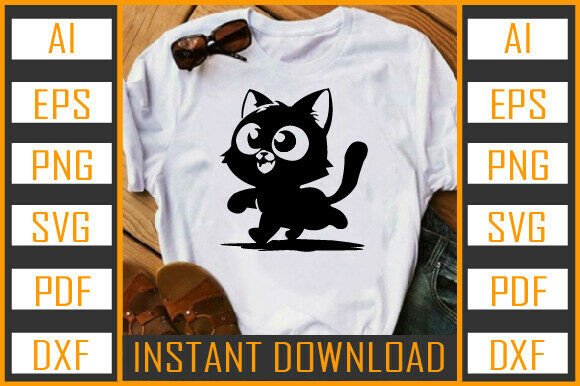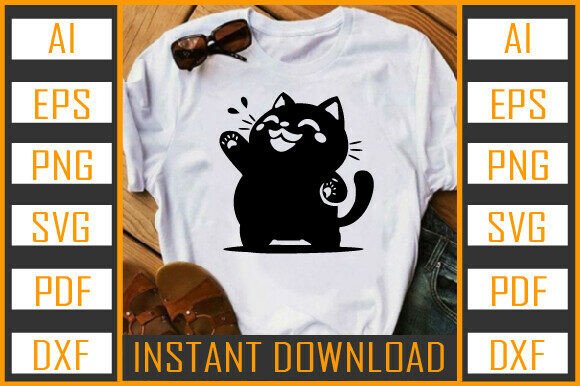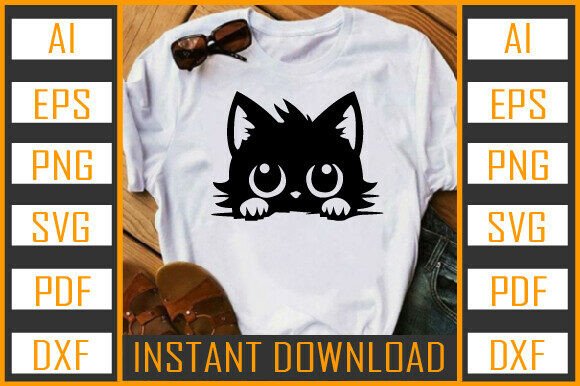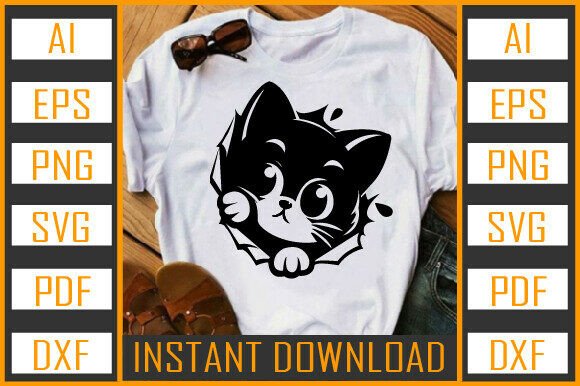
Vector CAT: A Designer's Take on Real-World Embroidery Potential
When I first opened the folder for Vector CAT, my immediate reaction wasn't about the file size or the format. It was about the attitude. As someone who spends hours evaluating digital assets for client projects and my own handmade shop, I look for designs that don't just sit there as a pretty image but actually translate into thread. This Crafts category graphic has a distinct personality that suggests it is built for more than just a quick hobby stitch; it feels like it belongs in a professional workflow.
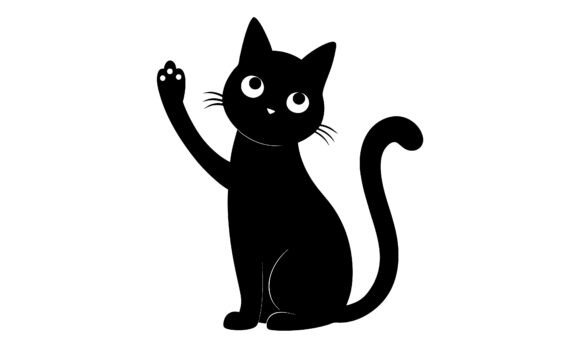
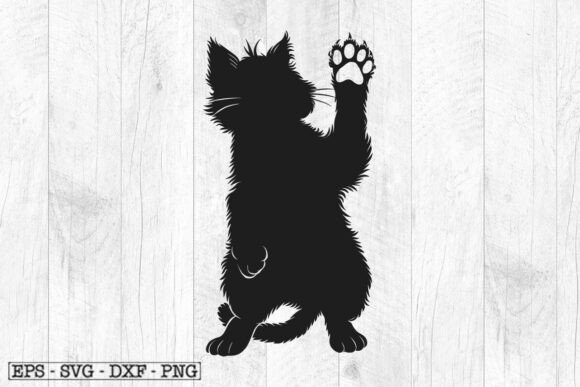
The design itself carries a modern, slightly playful energy. The lines are clean, and the silhouette is recognizable without being cluttered. In the world of embroidery, where every pixel becomes a physical stitch, clarity is king. My initial assessment of Vector CAT is that it strikes a balance between detail and simplicity that makes it incredibly versatile. It doesn't scream for attention so loudly that it overwhelms the fabric, yet it is bold enough to stand out on a tote bag or a nursery wall hanging. It feels like a design that could easily transition from a personal gift to a boutique inventory item without looking cheap.
From Screen to Stitch: The Practical Reality
I recently put this design to the test with a specific project in mind: creating a line of custom embroidered aprons for a local coffee shop. We needed something that looked professional but also had a touch of whimsy to match their brand voice. I loaded the files from the ZIP bundle, which included separate options for single use and larger collections, and started planning the layout.
The first thing I noticed was how well the shapes held up when converted into machine embroidery commands. Unlike some vector graphics that lose definition when scaled down, Vector CAT maintained its integrity. When I stitched it onto a heavy cotton canvas for the apron front, the satin stitch areas were smooth and consistent, while the fill stitch sections provided a nice texture that caught the light. It didn't look like a flat print; it looked like actual craftsmanship. For an Etsy seller or a small business owner, this distinction is everything. Customers can see the quality in the thread work, and that visual cue builds trust in your brand immediately.
Imagine taking this same design and applying it to a baby onesie. The softer curves of the cat figure would nestle perfectly against delicate fabrics, creating a personalized gift that feels thoughtful rather than mass-produced. Or consider using it on a holiday-themed pillow cover. The design allows for creative thread colors; you could go for traditional black and white for a classic look, or switch to pastel pinks and blues for a nursery theme. The versatility here is what makes it a valuable asset for any embroidery project.
Where to Be Cautious with Your Hoop and Fabric
However, not every surface is a good stage for this performance. As an experienced reviewer, I have to point out where Vector CAT might struggle if you aren't careful. While it handles standard hoop sizes beautifully, pushing it into a very small hoop diameter could result in lost details. If you are trying to fit this onto a tiny patch for a cap brim, you need to check the minimum dimensions before stitching. The intricate parts of the design require enough space to breathe, or they risk merging together into a muddy blob of thread.
Fabric choice is another critical factor. This design shines on stable, woven fabrics like denim, twill, or tightly woven cotton. If you try to embroider Vector CAT directly onto a stretchy jersey knit t-shirt without proper stabilization, you will likely end up with puckering that ruins the crisp lines of the cat. Similarly, textured fabrics like fleece or heavy waffle weaves can hide the finer details of the running stitch accents. You want the design to be the star, not get lost in the weave of the material.
Dark fabrics present a different challenge. Unless you plan to use a high-density underlay or a contrasting background applique, a dark design on a dark shirt can disappear. The beauty of having a digital file is that you can adjust the color palette, but you must think ahead about contrast. For a commercial product, visibility is key to customer engagement. If the buyer cannot clearly see the design through the packaging or on the hanger, the value proposition drops significantly.
Maximizing Value for Craft Businesses and Makers
For those of us running a craft business, selling finished products, or creating digital mockups, the implications of using a solid design like Vector CAT are financial. A well-executed embroidery job increases the perceived value of a handmade product. When a customer receives a sweatshirt with a crisp, professionally stitched logo, they feel they got their money's worth. They are more likely to leave a positive review, recommend the shop to friends, and return for future purchases.
This design also works exceptionally well for commercial embroidery projects where consistency matters. Whether you are producing a batch of branded caps for a team or making matching sets for a wedding party, Vector CAT offers the reliability needed for bulk production. The separate files included in the download mean you can easily mix and match sizes for different items, ensuring that a large version looks great on a banner while a smaller version fits perfectly on a hat tag.
I also found myself thinking about how this design could serve as a centerpiece for a printable mockup. If you are an Etsy seller or a digital product seller, having a high-quality design that translates well to images helps you showcase your work before the customer even buys it. A clear, sharp embroidery simulation of Vector CAT on a realistic fabric background can drive sales by giving buyers confidence in the final result.
Essential Notes for the Design Reviewer
Before you commit to a full production run with Vector CAT, there are a few practical steps every designer should take. First, always test the design on scrap fabric. This simple step saves you from ruining expensive materials and helps you dial in the perfect tension settings for your machine. Check the stitch density closely; if the design looks too crowded, you may need to adjust the settings or simplify the pattern slightly.
Confirm your hoop size requirements early on. Make sure the design fits within your machine's capabilities without needing to split the file unnecessarily. Inspect the small details, especially around the edges of the cat's ears or tail, to ensure they won't snag or break during the stitching process. Using the proper stabilizer is non-negotiable; it provides the foundation that keeps the embroidery file stable and prevents distortion.
Finally, do not overlook the licensing terms. Even though the package includes a ZIP file with various formats, you must verify whether you are allowed to sell finished items made from this design. Some graphics are for personal use only, while others allow for commercial application. Understanding these rules protects your reputation and ensures you are operating legally within the craft business ecosystem.
In conclusion, Vector CAT is more than just a cute picture; it is a functional tool for serious makers. Its clean lines and adaptable nature make it a strong candidate for everything from a quick afternoon hobby project to a high-volume commercial order. By understanding its strengths and respecting its limitations regarding fabric and hoop size, you can turn this digital asset into a tangible success story for your next handmade collection.